How Smart Bars are Revolutionizing Nightlife
The nightlife industry is undergoing a remarkable transformation as smart bars leverage cutting-edge technologies to redefine the way patrons experience socializing, entertainment, and service. By integrating innovations such as augmented reality, artificial intelligence, and smart pouring systems, these venues are not only enhancing customer satisfaction but also streamlining operations and boosting profitability. As 2025 unfolds, the rise of smart bars signals a new era where technology and hospitality converge to create immersive, efficient, and personalized nightlife experiences.
What are smart bars and how do they work?
Smart bars are modern drinking establishments that utilize advanced technologies to automate and enhance various aspects of bar management and customer interaction. Unlike traditional bars that rely heavily on manual processes, smart bars incorporate digital tools and intelligent systems to optimize service delivery, inventory control, and entertainment.
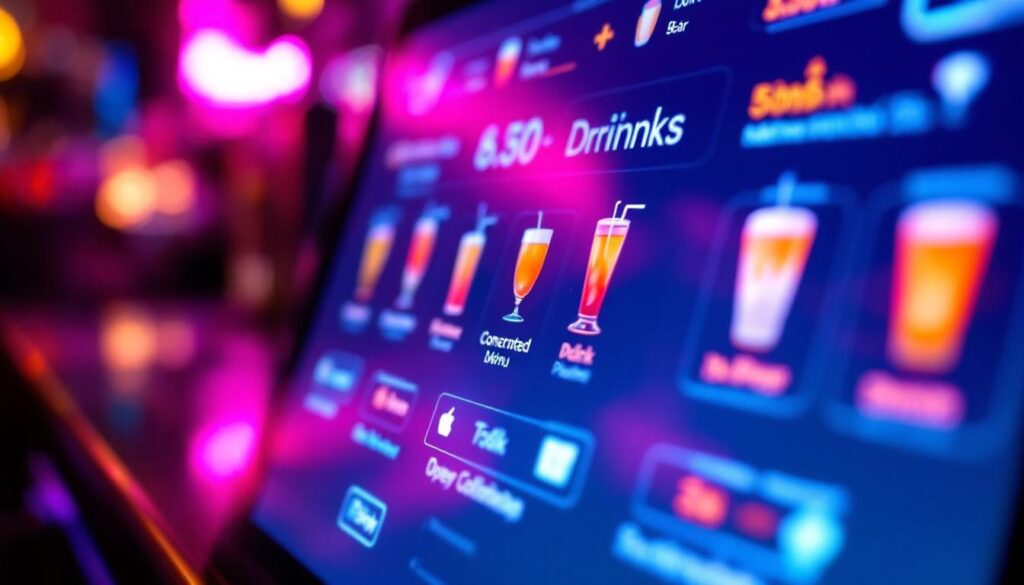
At their core, smart bars use interconnected devices and software platforms to create a seamless environment. For example, augmented reality (AR) menus allow patrons to view detailed 3D representations of cocktails before ordering, making the selection process more engaging and informed. This not only improves the customer experience but also reduces order errors.
Moreover, artificial intelligence (AI) plays a pivotal role by analyzing customer preferences and purchase history to offer personalized drink recommendations. This level of customization encourages repeat visits and builds customer loyalty. On the operational side, AI-driven inventory management systems predict demand trends and automate stock replenishment, minimizing waste and ensuring popular items are always available.
Smart pouring technology is another hallmark of these bars. By tracking every pour in real time, these systems maintain consistency in drink quality, reduce shrinkage, and hold staff accountable through gamification features that incentivize precision. Combined with contactless payment solutions and mobile ordering, smart bars deliver convenience and speed, reducing wait times and enhancing overall satisfaction.
In addition to these technological advancements, smart bars often feature interactive entertainment options that further engage patrons. For instance, many establishments incorporate digital jukeboxes or karaoke systems that allow customers to select their own music or participate in singing contests, creating a lively and interactive atmosphere. Some smart bars even offer virtual reality (VR) experiences, where guests can immerse themselves in themed environments while enjoying their drinks, adding an extra layer of excitement to their night out.
Furthermore, the design of smart bars often reflects a modern aesthetic that complements their technological features. With sleek, minimalist furnishings and dynamic lighting systems that can change color and intensity based on the time of day or the mood of the crowd, these spaces are designed to enhance the overall experience. Many smart bars also prioritize sustainability by implementing energy-efficient systems and sourcing local ingredients for their cocktails, appealing to environmentally conscious consumers and setting a standard for responsible business practices in the hospitality industry.
Technologies that enable automation in bars
The backbone of smart bars lies in a suite of innovative technologies that automate and elevate the nightlife experience. One of the most exciting advancements is the integration of augmented reality (AR) and virtual reality (VR). AR-powered interactive menus allow customers to explore drink options visually, while VR can transport guests to immersive environments, turning a night out into a multisensory adventure. These technologies are reshaping how patrons engage with the venue and its offerings, making each visit unique and memorable.
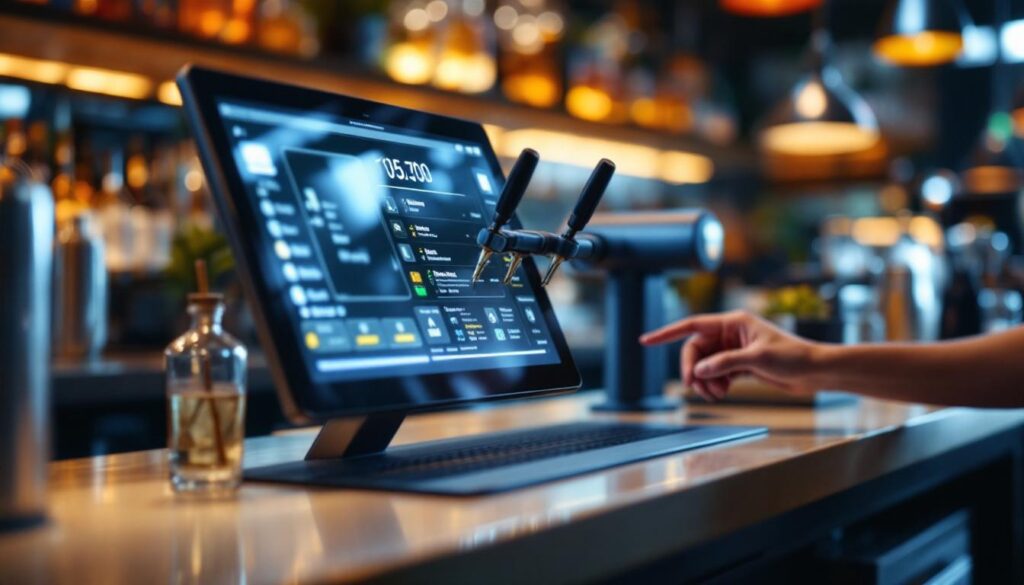
Artificial intelligence (AI) is another transformative force. AI algorithms analyze vast amounts of data—from customer preferences to sales patterns—to optimize recommendations and operational workflows. This means bartenders receive real-time insights on which drinks to promote, and managers can forecast inventory needs with greater accuracy. AI also automates administrative tasks such as staff scheduling, freeing up human resources to focus on customer service.
Smart pouring systems represent a critical operational innovation. By monitoring every drink poured, these systems help detect discrepancies between sales and actual consumption, reducing losses due to over-pouring or theft. Gamification elements motivate bartenders to maintain high standards, fostering a culture of accountability and excellence behind the bar.
Contactless payments and self-service ordering are increasingly standard in smart bars. QR codes and mobile apps empower customers to place orders and pay bills directly from their smartphones, eliminating queues and speeding up service. This shift not only enhances convenience but also aligns with evolving consumer preferences for digital payment methods and cashless transactions.
Entertainment technology also plays a significant role. Advanced audio-visual (AV) systems with smart lighting and zone-specific controls create dynamic atmospheres tailored to different areas of the venue. Interactive experiences such as holographic performances and gamified activities further engage patrons, making smart bars destinations for both socializing and entertainment.
Finally, smart reservations and ticketing systems leverage AI and blockchain technologies to optimize event pricing and secure transactions. Dynamic pricing models adjust ticket costs based on demand, maximizing revenue while managing crowd flow effectively. Blockchain ensures transparency and reduces fraud, enhancing trust between venues and customers.
In addition to these technological advancements, the integration of Internet of Things (IoT) devices is revolutionizing bar management. Smart sensors can monitor everything from temperature control for optimal beverage storage to foot traffic patterns, allowing managers to make informed decisions about staffing and inventory. This data-driven approach not only enhances operational efficiency but also improves the overall customer experience by ensuring that the bar is always stocked with popular items and that the atmosphere remains inviting.
Moreover, sustainability is becoming a focal point in the evolution of smart bars. Technologies that track and reduce waste, such as smart recycling bins and energy-efficient appliances, are increasingly being adopted. These systems not only help bars minimize their environmental footprint but also resonate with eco-conscious consumers who prefer establishments that prioritize sustainability. By leveraging technology to create a more efficient and responsible operation, bars can attract a loyal customer base that values both innovation and environmental stewardship.
The challenges of implementing a smart bar
While the benefits of smart bars are compelling, their implementation comes with several challenges that operators must carefully navigate. One of the primary hurdles is the significant upfront investment required to acquire and integrate advanced technologies such as AR/VR setups, AI platforms, and smart pouring hardware. For many establishments, especially smaller or independent bars, the cost can be prohibitive without clear projections of return on investment.
Another challenge lies in the complexity of integrating disparate systems. Ensuring that AI-driven inventory management, contactless payment solutions, and entertainment technologies work seamlessly together demands robust IT infrastructure and skilled technical support. Without proper integration, the user experience can suffer, undermining the very advantages smart bars aim to provide.
Staff training and adaptation also present obstacles. Employees must become proficient in using new technologies, from managing digital menus to interpreting AI-generated insights. Resistance to change or insufficient training can lead to operational inefficiencies and customer dissatisfaction. Moreover, balancing automation with the human touch—essential in hospitality—requires thoughtful implementation to avoid depersonalizing the guest experience.
Privacy and data security are additional concerns. Smart bars collect and process significant amounts of customer data to personalize services and optimize operations. Protecting this information against breaches and complying with data protection regulations is paramount to maintaining customer trust and avoiding legal repercussions.
Finally, maintaining the technological infrastructure demands ongoing investment and updates. As technology evolves rapidly, bars must stay current to remain competitive, which can strain resources and require continuous strategic planning.
Despite these challenges, the momentum behind smart bars is undeniable. By carefully addressing these issues, nightlife venues can unlock the full potential of automation and technology, creating vibrant, efficient, and customer-centric environments that define the future of nightlife.
Moreover, the implementation of smart bars can also lead to a shift in customer expectations. As patrons become accustomed to the convenience and personalization offered by technology, they may begin to prioritize venues that provide these features. This shift could create a competitive landscape where traditional bars struggle to retain customers who are drawn to the enhanced experiences offered by smart bars. Consequently, operators must not only focus on the initial challenges of implementation but also on how to continually innovate and adapt to changing consumer preferences.
Furthermore, the integration of smart technologies can also facilitate better communication and engagement with customers. For instance, through mobile apps, patrons can receive real-time updates on promotions, events, or even personalized drink recommendations based on their previous orders. This level of interaction not only enhances the customer experience but also fosters loyalty, as guests feel more connected to the brand. As such, the successful implementation of smart bars not only addresses operational challenges but also opens up new avenues for marketing and customer relationship management.
For those interested in exploring the latest trends and innovations shaping smart bars, resources such as Baron Entertainment’s insights on nightlife trends and Pourify’s analysis of AI in hospitality offer valuable perspectives.
Take Your Nightlife Business to the Next Level with Rockstar Data
Ready to revolutionize your bar or nightlife venue with the power of smart technology? At Rockstar Data, we specialize in leveraging data analytics and artificial intelligence to elevate your business. Our solutions are tailored to meet the unique challenges and opportunities of the hospitality industry, ensuring you stay at the forefront of innovation. Don’t just keep up with the trends—set them. Explore Our Solutions today and transform your establishment into the smart bar of tomorrow.
If you’re considering smart-bar technology and want to start with the data your venue already has, request a demo to see how Rockstar Data works in a bar.