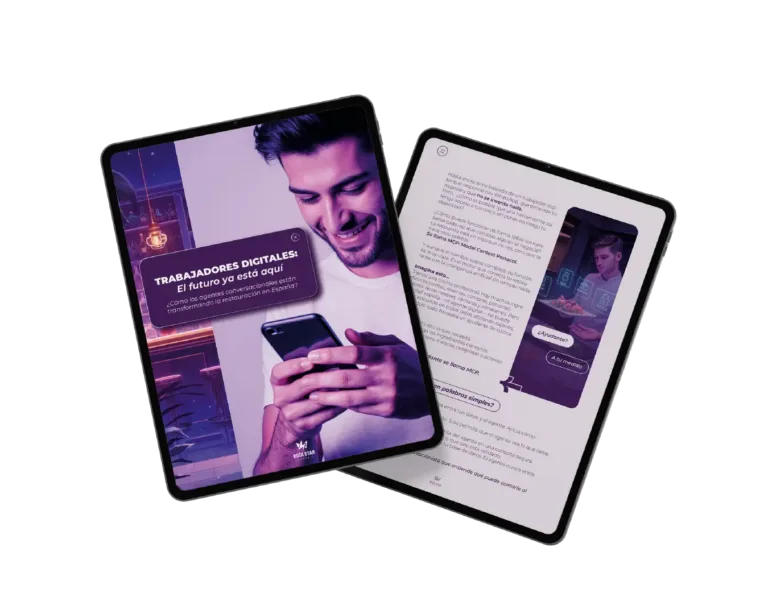
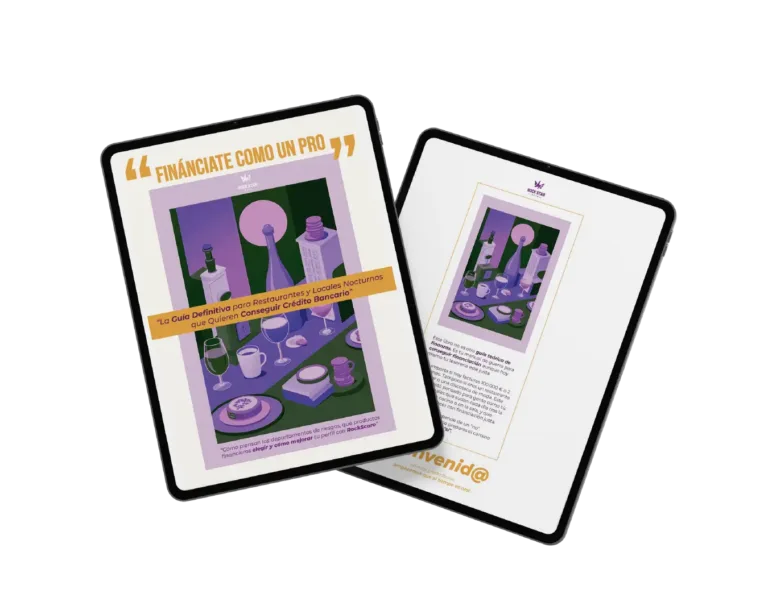
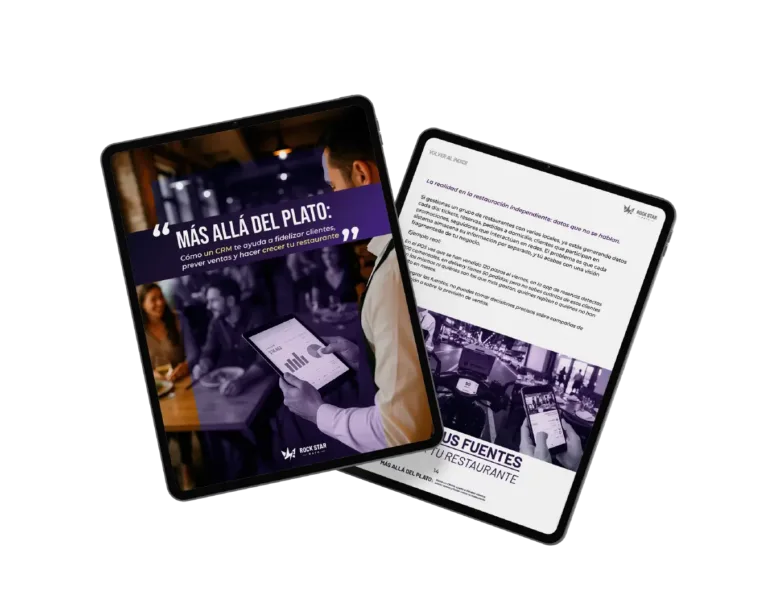
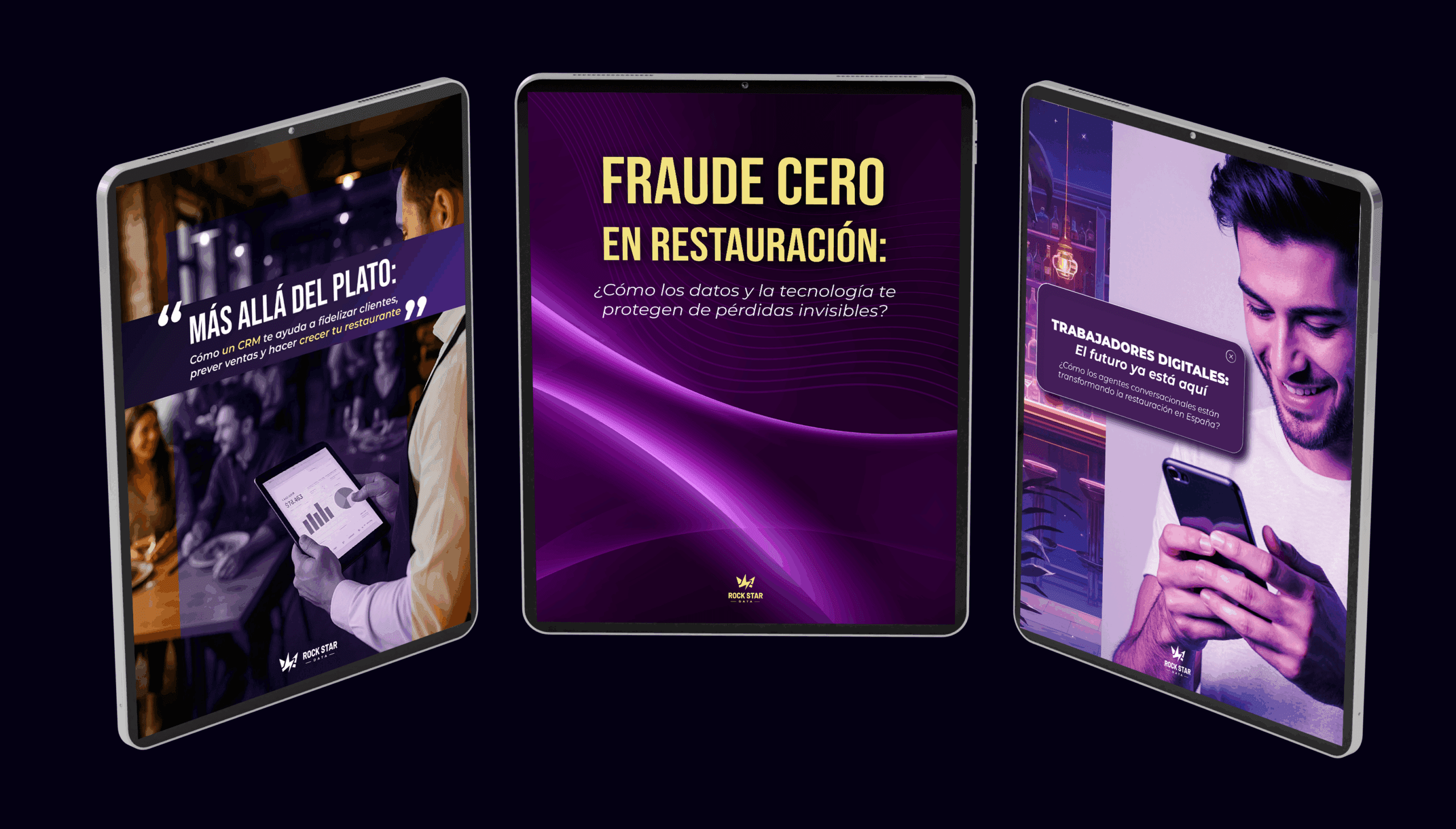
Elite Resources to Power Your Business with Rockstar Data
Access the most up-to-date practical strategies and guides used by leading restaurant groups. Optimize your operations, master your costs, and take your business profitability to the next level.
Ebooks
More than theory: practical knowledge to run your business better
If you run a restaurant, a multi-location group, or a hospitality business, you know success isn’t only about great product or a full room. Real growth comes when you take real control of the business: your data, your finances, and those invisible losses that hit profitability directly.
They’re not just ebooks. They’re transformation tools
- Each ebook is designed to empower you:
- You stop relying on gut feel alone
- You make data-driven decisions.
- You anticipate problems before they show up in the month-end close.
- You turn daily operations into a competitive advantage.
- You’re not alone: Rockstar Data is the partner that helps you unify and act on the information your business already generates.
Stop improvising. Start managing with data.
Join the Rockstar Data community and get practical strategies, key industry trends, and free resources to improve the profitability of your restaurant or nightlife business.
Ready to multiply your margin?
Join hundreds of customers already making smarter decisions with Rockstar Data
Everything you need to know
What data does Rockstar Data need to get started?
Rockstar Data starts from the data your business already generates: POS, purchasing, staff, reservations, or accounting. It doesn’t need to be perfect or fully structured from day one. The goal is to create value quickly and improve data quality over time. Implementation doesn’t mean rebuilding systems — it means connecting and organizing what you already have.
How long does implementation take?
Initial implementation is fast, because this isn’t a traditional BI project. Within a few weeks the business starts seeing useful indicators, alerts, and signals. From there, the system evolves with the business. Value doesn’t arrive at the end of the project — it arrives from the start.
Do I need to change my current systems?
No. Rockstar Data sits on top of your existing stack. POS, ERP, or marketing tools stay the same. The platform acts as an intelligence layer that connects everything and makes sense of it. Changing systems creates friction; connecting them creates control.
How does it adapt to bars, nightclubs, and restaurants?
The logic is the same — control and profitability — but the focus shifts by business type. In bars and nightclubs, events, staffing, and stock weigh more; in restaurants, the menu, table turnover, and repeat visits weigh more. Adaptation isn’t technical — it’s about reading and priorities by type of operation.
Does the team need technical training?
No. The system is built for non-technical profiles. The team doesn’t learn complex tools — they learn to read clear signals. When technology demands constant training, it fails. When it’s understood in minutes, it gets adopted.
What if the data isn’t “perfect”?
That’s fine. In hospitality, data is almost never perfect. The mistake is waiting for ideal data before you start. Rockstar Data works with the reality of the business and helps improve data quality over time. What matters is starting to decide better sooner.
How do you introduce it without internal pushback?
Position it as support, not as a control system. When the team sees it reduce improvisation, stress, and last-minute changes, they adopt it. Pushback appears when technology is used to police people, not to improve work.
Can we start gradually?
Yes — and that’s the recommended path. Start with an overview and key alerts, then go deeper into areas like purchasing, staffing, or promotions. Gradual rollout drives real adoption and avoids overload.
What mistakes should we avoid during implementation?
The main mistake is trying to measure everything on day one. Another is using the system only as a report, not as a decision tool. Implementation works when you clearly define what you’ll use it for from the start.
How do we make sure the system actually gets used?
Make the value immediate. If the system saves time, reduces stress, and prevents errors, people use it on their own. When information arrives proactively and clearly, adoption doesn’t need pushing. Usage follows perceived value.