Gamification as a Strategy to Increase Bar Traffic
Discover how gamification as a strategy can boost bar traffic by up to 30%, enhance customer engagement, and drive repeat visits.
Understanding Gamification in the Bar Industry
Gamification, the integration of game-like elements into non-game environments, has become a transformative approach for businesses seeking to elevate customer engagement. In the bar industry, where competition is fierce and customer loyalty is paramount, gamification offers a unique way to create memorable experiences that encourage patrons to return.
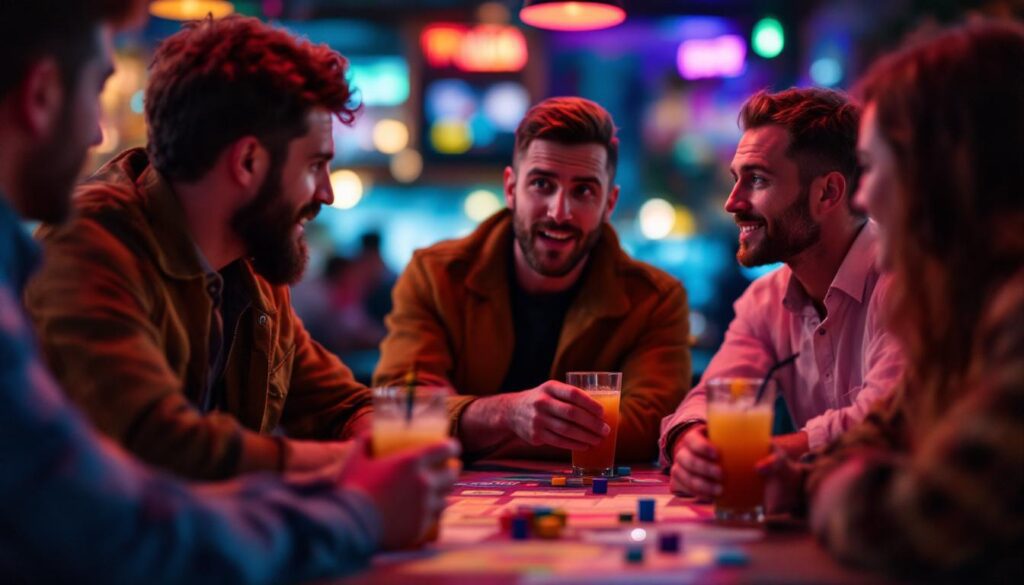
By weaving interactive challenges, rewards, and social elements into the bar experience, establishments can turn routine visits into exciting adventures. This not only increases foot traffic but also fosters a community of enthusiastic customers who feel connected to the brand.
The Psychology Behind Gamification and Customer Engagement
At its core, gamification taps into fundamental human motivations such as achievement, competition, and social connection. The use of rewards, progress tracking, and challenges appeals to customers’ intrinsic desire for accomplishment and recognition.
For example, progress bars and badges leverage the psychological principle of the “completion effect,” where individuals feel compelled to finish tasks once started. Similarly, contests and leaderboards stimulate competitive instincts, motivating patrons to engage more deeply with the bar’s offerings.
Research supports this approach: 85% of users are more likely to continue engaging with a service that includes game elements, highlighting the effectiveness of gamification in sustaining customer interest. By understanding these psychological drivers, bars can design gamification strategies that resonate emotionally with their audience.
Case Studies: Successful Bar Gamification Examples
Several bars have successfully implemented gamification to boost engagement and traffic. One notable example is a “beer passport” system, where customers earn stamps or digital badges for sampling different beers. This encourages exploration of the menu and repeat visits, as patrons strive to complete their passport.
Another example includes themed trivia nights and karaoke challenges that transform the bar into a lively social hub. These events not only attract crowds but also create opportunities for social sharing, amplifying the bar’s reach beyond its physical location.
International brands like Nike have demonstrated the power of gamification through their Run Club challenges, which motivate users to achieve fitness milestones and compete with friends. Bars adopting similar competitive and reward-driven models can expect to see increased loyalty and foot traffic.
Additionally, some establishments have embraced mobile apps that allow patrons to track their drinking habits and earn rewards for responsible choices. This not only promotes a healthier drinking culture but also enhances customer interaction with the bar’s offerings. By integrating technology into the gamification strategy, bars can provide a seamless and engaging experience that resonates with tech-savvy customers.
Moreover, seasonal challenges, such as “Summer Cocktail Competitions,” where customers can submit their own drink recipes for a chance to be featured on the menu, can further enhance engagement. This not only encourages creativity among patrons but also fosters a sense of ownership and pride in the bar’s offerings, making them more likely to return and share their experiences with friends.
Implementing Effective Gamification Strategies
Successful gamification in bars requires a thoughtful blend of digital and analog tactics tailored to the target audience. Combining technology with traditional engagement methods can create a seamless and compelling customer experience.

Digital Solutions: Apps, QR Codes, and Social Media Challenges
Digital tools offer dynamic ways to implement gamification. Mobile apps can track customer progress, manage loyalty points, and deliver personalized rewards based on user behavior. QR codes placed on tables or menus can link patrons to interactive challenges or quizzes, making participation effortless and fun.
Social media challenges are another powerful digital strategy. Encouraging customers to share their achievements—such as completing a beer tasting challenge or winning a trivia night—can significantly increase a bar’s visibility. Research shows that social sharing can boost site visits by up to 30%, demonstrating its value as a marketing tool.
Bars can also use data collected through digital platforms to tailor offers and recommendations, enhancing the personalization of the experience and increasing the likelihood of repeat visits. For instance, if a customer frequently orders a specific cocktail, the app could suggest a new drink that aligns with their tastes, or even offer a discount on their favorite beverage during their next visit, creating a sense of anticipation and excitement.
Analog Options: Trivia Nights, Loyalty Programs, and Competitions
While digital gamification is impactful, traditional analog methods remain highly effective in the bar setting. Trivia nights, karaoke contests, and themed competitions create an engaging atmosphere that encourages social interaction and repeat attendance. These events not only foster a sense of community among patrons but also provide opportunities for bars to showcase their unique personality and brand identity, making them memorable destinations for nightlife.
Loyalty programs based on physical punch cards or stamps can be just as motivating as digital points systems. For example, a “happy hour” challenge where customers earn rewards for visiting during off-peak hours can drive traffic when the bar is typically quieter. These tangible rewards foster a sense of accomplishment and incentivize continued patronage. Additionally, hosting seasonal competitions—like a chili cook-off or a craft beer brewing contest—can engage customers in a fun and competitive way, allowing them to showcase their skills while enjoying the bar’s offerings.
Combining these analog approaches with digital tracking can provide the best of both worlds, ensuring a broad appeal across different customer segments. Furthermore, creating a community leaderboard that displays top participants in various challenges can spark friendly competition and encourage more patrons to join in, enhancing the overall atmosphere and driving up customer engagement. This integration of both digital and analog elements not only enriches the customer experience but also helps bars build a loyal customer base that feels connected to the venue and its unique offerings.
Measuring and Optimizing Gamification Results
Implementing gamification strategies is only the first step; continuous measurement and optimization are essential to maximize their impact. Bars should establish clear metrics to evaluate the success of their initiatives and adapt based on customer feedback and behavioral data.

Key Performance Indicators for Bar Gamification Success
Key performance indicators (KPIs) for gamification in bars include metrics such as increased foot traffic, repeat visit frequency, average spend per customer, and participation rates in gamified activities. Tracking social media engagement and referral rates can also provide insight into the broader impact of gamification on brand visibility.
For instance, monitoring how many customers complete a “beer passport” or participate in trivia nights can reveal the effectiveness of these programs in driving engagement. Additionally, analyzing redemption rates for rewards helps determine if the incentives align with customer preferences. A bar might find that offering a free drink after a certain number of visits not only boosts return rates but also encourages patrons to spend more during their visits, creating a win-win scenario.
Adapting Strategies Based on Customer Feedback and Data
Customer feedback is invaluable for refining gamification efforts. Surveys, direct conversations, and digital analytics can uncover what aspects patrons enjoy most and where improvements are needed. This iterative approach ensures that gamification remains relevant and compelling.
Data-driven adjustments might include introducing new challenges, tweaking reward structures, or enhancing personalization features. For example, if a particular quiz theme resonates strongly, expanding similar content can deepen engagement. Additionally, incorporating seasonal or event-based challenges, such as a Halloween-themed scavenger hunt or a summer cocktail competition, can keep the experience fresh and exciting for returning customers. This not only drives participation but also fosters a sense of community among patrons who share in the fun.
Ultimately, successful gamification requires flexibility and responsiveness to evolving customer interests and behaviors, ensuring that the bar remains a vibrant and attractive destination. Regularly revisiting the gamification strategy allows bars to stay ahead of trends and maintain a competitive edge in the bustling nightlife scene. By leveraging technology and creativity, bars can create a dynamic environment where customers feel valued and engaged, turning casual visitors into loyal patrons.
Take Your Bar's Gamification to the Next Level with RockStar Data
Ready to elevate your bar’s gamification strategies and drive unparalleled customer engagement? At RockStar Data, we specialize in leveraging the latest in data analytics and artificial intelligence to provide you with actionable insights that can transform your business. Don’t just guess what your customers want—know it, and deliver experiences that keep them coming back for more. Explore Our Solutions today and become the go-to destination in the competitive nightlife scene.