The restaurant industry is more competitive and digital than ever, and getting the most return on investment (ROI) from advertising campaigns is a challenge that calls for innovative, data-driven strategies. Bringing together information from every customer touchpoint, from social media to delivery platforms, makes it possible not only to use resources more efficiently but also to personalize the experience and anticipate trends. This data-driven approach is changing how food and hospitality businesses design and evaluate their campaigns, with measurable, sustainable results.
Recent research backs this shift. For example, Fernando F. Granado et al. document significant improvements in conversion rates from an automated recommendation system. This article looks at how an integrated data strategy can improve ROI in restaurant campaigns, covering key metrics, measurement challenges, practical implementation and real-world examples.
ROI in the Restaurant Industry
ROI in restaurant marketing is not just about measuring direct sales. It also means evaluating brand perception, loyalty and how efficiently resources are used. In an industry where consumer preferences change quickly, knowing what works and what doesn’t is essential to staying competitive.
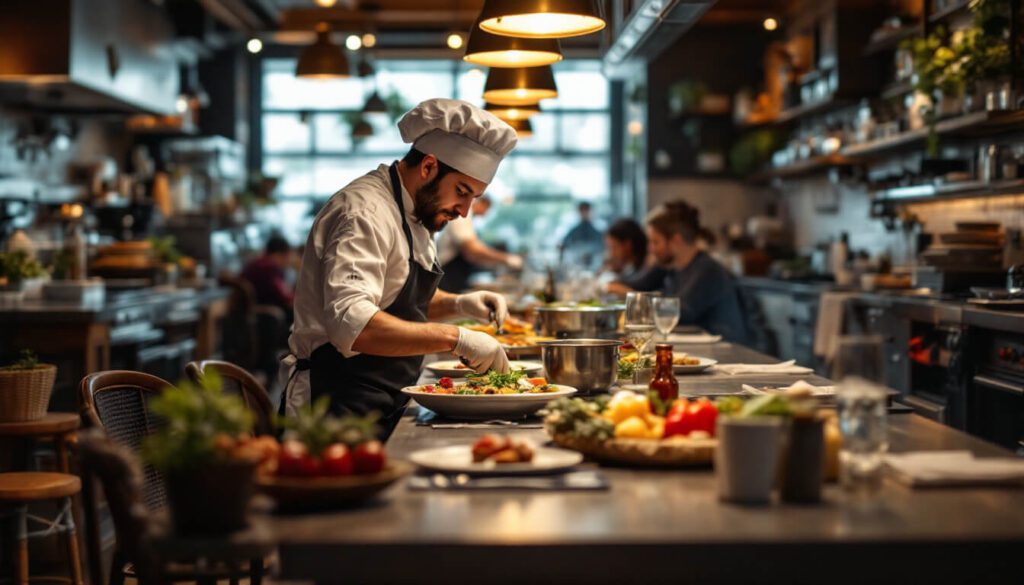
That is why it is crucial to define clear metrics that quantify the impact of each campaign and let you adjust strategy in real time. Market research plays an essential role here: it digs into consumer habits and behavior, helping you decide which products to launch, which flavors to highlight and how to set competitive prices.
Key Metrics for Measuring Restaurant Campaign Success
The most relevant metrics for evaluating ROI in restaurant campaigns include:
- Conversion rate: the percentage of users who take a desired action, such as placing an order or signing up for a promotion.
- Social media engagement: interaction with content that reflects interest in, and an emotional connection with, the brand.
- Direct financial return: revenue generated by the campaign relative to the investment.
- Loyalty and repeat purchases: customers who come back after a first experience.
Combined with qualitative analysis, these metrics give a complete view of performance. The key is constant measurement and the ability to adapt.
Measurement Challenges Specific to the Food and Beverage Industry
The restaurant industry faces unique challenges when measuring ROI. Seasonality, the variety of sales channels and outside factors such as food trends or economic shifts make accurate attribution difficult.
The customer experience goes beyond the purchase: how the food tastes, the atmosphere of the venue and the speed of service all affect reputation and, in turn, long-term success. That is why measurement strategies should include direct feedback and analytics tools that capture both quantitative and qualitative results.
Digitalization has made this easier, but it also demands efficient data integration to avoid fragmentation that makes results hard to interpret. According to SIS International, market research is essential to overcoming these challenges and making informed decisions.
In this context, advanced technologies such as big data analytics and artificial intelligence are becoming increasingly relevant. These tools help restaurants and food brands identify consumption patterns, predict trends and personalize the customer experience. For example, by analyzing sales data and customer preferences, businesses can create personalized offers that not only increase conversion rates but also improve customer satisfaction.
Post-purchase surveys and satisfaction studies can also provide valuable insight into how customers perceive the brand. This helps fine-tune marketing strategies and builds a closer relationship with customers, who feel valued and heard. In such a competitive market, that emotional connection can be a key differentiator with a positive impact on the ROI of restaurant campaigns.
Integrated Data Strategy: Implementation and Benefits
An integrated data strategy means consolidating information from multiple sources to get a complete view of the customer and of campaign performance. In the restaurant industry, bringing this data together connects physical points of sale, social media and delivery platforms, improving decision-making and personalizing the experience.

This approach not only improves operational efficiency but also strengthens the ability to anticipate behavior and adapt the offer in real time, which can help improve ROI.
Unifying Data: Connecting POS, Social Media and Delivery Platforms
Integrating data from different channels is essential to understanding the full customer journey. For example, combining in-store sales data with social media interactions and delivery app orders reveals consumption patterns and specific preferences.
A standout example is iFood, which implemented an automated recommendation system for its food delivery app and reported a 97% improvement in card conversion rate and a 1.4% increase in overall app conversion rate, compared with a popularity-based baseline. It is a recommendation system rather than an integrated data platform, but it shows what using customer data well can do: relevant, personalized suggestions can lift sales and improve the user experience.
Connecting and unifying data helps restaurants understand not only which products are most popular but also when and how they are consumed. For example, a restaurant might discover that certain dishes are ordered more often during sporting events or local festivities, and adjust its marketing and promotions accordingly. This ability to respond quickly to market trends can be a key differentiator in such a competitive industry.
Predictive Analytics: Anticipating Consumer Trends and Optimizing Inventory
Predictive analytics uses advanced algorithms to forecast future behavior based on historical data and external variables. In restaurants, this makes it possible to anticipate consumer trends, adjust menus and optimize inventory, avoiding losses and improving profitability.
Artificial intelligence applied to restaurant marketing makes it easier to personalize campaigns and segment audiences precisely, increasing effectiveness and reducing costs. According to Elham Khamoushi, these advanced techniques are revolutionizing the industry by delivering personalized recommendations and optimizing consumer behavior.
For example, a restaurant using predictive analytics can foresee higher demand for certain ingredients during peak season, place orders in advance and avoid stockouts. It can also adjust its menu to include dishes that match emerging customer preferences, based on data from social media and search trends. This not only improves customer satisfaction but also maximizes operational efficiency and reduces food waste.
Examples and Practical Methodologies
The examples and methods below show how this approach can work in practice and offer a clear path to adopting it. A data-driven approach can help restaurants and brands improve ROI and strengthen their position in a saturated market.
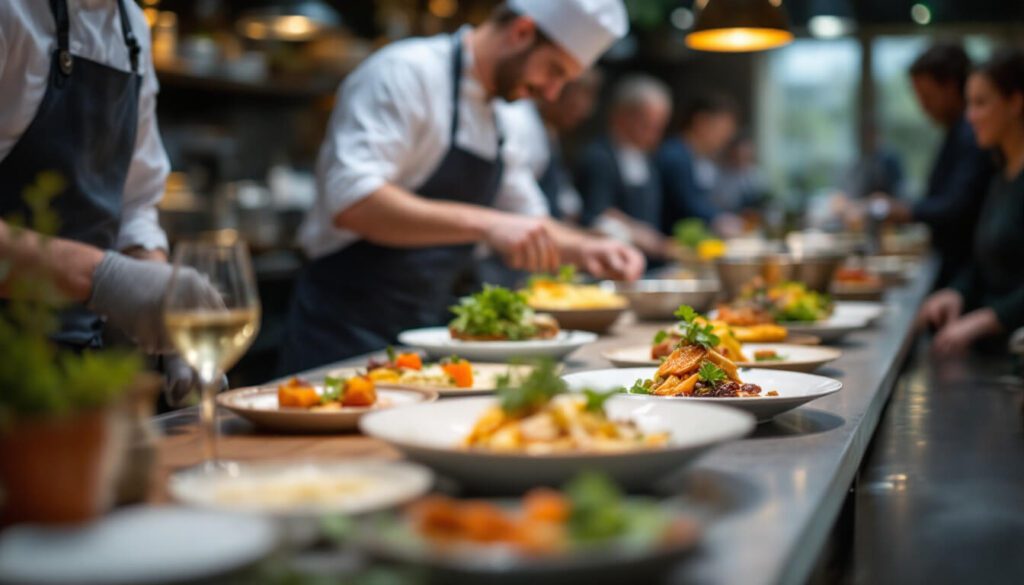
Data-Driven Campaigns in Practice: Common Scenarios
A common scenario is a restaurant chain that combines digital campaigns with data analysis to segment audiences and personalize promotions. This kind of strategy can help increase conversion rates and improve brand reputation by connecting more effectively with the target audience.
Combining traditional and digital media can also work well. According to Geovani Gamboa, using local radio ads, flyers and magazines alongside digital channels that offer real-time targeting and analytics boosts reach and loyalty.
An Integrated Measurement System: Step-by-Step Guide
To adopt an integrated data strategy that improves ROI, follow these steps:
- Initial assessment: review the available data sources and the campaign’s objectives.
- Technology unification: put tools in place that consolidate data from points of sale, social media and digital platforms.
- Define metrics: set key performance indicators aligned with business goals.
- Analysis and segmentation: use predictive analytics to anticipate behavior and personalize offers.
- Continuous monitoring: run A/B tests and collect feedback to optimize campaigns in real time.
- Evaluate and adjust: measure results and adjust strategy to maximize ROI.
This process should go hand in hand with an organizational culture built on data-driven decision-making and ongoing training for the marketing team. Continuous measurement and optimization are key to staying relevant and effective.
Parnaso Comunicación highlights the importance of this methodology, stressing the need for analytics tools and constant testing to assess the real impact of the strategies in place.
Today, customers are increasingly demanding and looking for personalized experiences, and brands that don’t adapt risk falling behind. An integrated data system not only helps you understand customers better but also lets you anticipate their needs and wants. For example, restaurants can use artificial intelligence to analyze consumption patterns and adjust their menus to customer preferences, which can improve customer satisfaction and, in turn, brand loyalty.
Data integration isn’t limited to sales and marketing, either. It extends to inventory and supply chain management. By analyzing sales data in real time, restaurants can optimize their orders and reduce food waste, which improves profitability and supports more sustainable practices. This holistic approach to data management matters in a world where social and environmental responsibility has become a deciding factor for many consumers.
Transform Your Restaurant Campaigns with Rockstar Data
Rockstar Data’s AI agents connect to the POS and ticketing systems you already use, without replacing them, through more than 15 integrations. They turn your sales history into AI-powered demand forecasts that your team reviews and approves before anything changes, so campaigns, menus and orders are planned on real data. See how it works in a personalized demo. If you found this useful or want to learn more about the topic, check out our ebook How to Turn Your Data into Real Growth.