New customer experiences in restaurants
Dining in 2025 looks less like a static transaction and more like a curated journey. From the moment a guest thinks about a meal to the follow-up on social media, restaurants are redesigning every touchpoint to meet changing rhythms, higher expectations for personalization, and increasing demand for transparency. The trends below map practical ways operators can respond to new behaviors, leverage technology wisely, and create memorable, sustainable experiences that build loyalty.
Local customization
Menu and service adaptations that reflect local tastes, seasonal availability, and community values are proving essential. Restaurants that tailor offerings—whether by including regional ingredients, collaborating with nearby producers, or adjusting portion sizes for local eating patterns—tend to perform better in guest satisfaction and perceived authenticity. Local customization also extends to pricing strategies and timing, where awareness of neighborhood routines (early diners, late-shift workers) guides when to run promotions or shift staffing to match demand.
Moreover, incorporating cultural nuances into the dining experience can deepen community engagement. This might involve adapting décor, music, or even staff training to better resonate with local customs and languages, creating an inviting atmosphere that feels genuinely connected to the neighborhood. By celebrating local festivals with special menu items or themed events, restaurants can further strengthen their ties with patrons and generate buzz within the community.
Technology plays a supportive role by enabling dynamic menu updates and localized marketing campaigns. Digital platforms allow eateries to gather real-time feedback and analyze regional preferences, facilitating continuous refinement of offerings. Additionally, partnerships with local delivery services can optimize reach and convenience, ensuring that customized meals are accessible to a broader audience while preserving quality and freshness.
Design and setting designed for specific segments
Physical layout and ambience are increasingly segmented. Spaces are being designed for families, remote workers, date nights, and solo diners, each with bespoke lighting, acoustics, and seating. Flexible zones—quiet corners with power outlets for daytime workers and more animated areas for evening socializing—allow one venue to serve multiple segments without diluting brand identity. Thoughtful design that considers movement patterns, privacy needs, and service flow leads to higher table turnover and stronger repeat visits.
In addition to functionality, the aesthetic choices made for each segment contribute significantly to customer satisfaction. For instance, family areas often feature durable, easy-to-clean materials and playful decor that keeps children engaged, while remote working sections prioritize ergonomic furniture and ambient noise control to enhance focus. Date night settings might emphasize intimacy with softer lighting and plush seating, creating a romantic atmosphere. By integrating technology — such as smart lighting systems and adjustable soundscapes — venues can dynamically adapt environments throughout the day, responding to fluctuating guest needs and enhancing overall experience.
Moreover, the incorporation of biophilic design elements—such as indoor plants, natural materials, and ample natural light—has gained popularity across all segments. These features not only elevate aesthetic appeal but also contribute to psychological well-being, making spaces feel more welcoming and relaxing. As customers become more discerning, the fusion of functionality with thoughtful sensory experiences helps brands build emotional connections, encouraging loyalty and positive word-of-mouth recommendations.
Thematic narratives and immersive experiences
The trend toward experiential dining elevates meals into events. Themed pop-ups, chef storytelling, live demonstrations, and curated playlists create narrative arcs that guests remember and share. These experiences can be short-lived (pop-ups tied to a holiday or collaboration) or ongoing (a restaurant with a rotating seasonal story). Such narratives increase word-of-mouth and social content, turning ordinary nights into memorable occasions that justify premium pricing and build emotional loyalty.
Integral to these immersive experiences is the careful design of ambiance and interaction. Lighting, decor, and even the plating of dishes are synchronized to reinforce the chosen theme, transporting diners beyond the physical space. Staff often act as performers or narrators, engaging guests in the unfolding story and fostering a deeper connection to the cuisine. This holistic approach transforms dining from a passive act into a sensory journey that resonates on multiple levels.
Moreover, technology plays a growing role in enhancing thematic narratives. Augmented reality menus, projection mapping, and interactive installations invite diners to engage actively with the experience. These digital elements offer new avenues for creativity, allowing chefs and restaurateurs to push boundaries and personalize stories based on guest preferences or real-time feedback. As a result, immersive dining experiences continue to evolve, blending tradition with innovation to captivate contemporary audiences.
Modular systems and operational flexibility
Operational modularity—kitchen stations that can be reconfigured, menu modules that scale up or down, and staffing models that flex by hour—reduces waste and improves responsiveness. Modular front-of-house layouts allow the dining room to be rearranged quickly for private events or high-demand service windows. This flexibility supports earlier dining trends and late-night promotions by aligning resources with real-time demand, helping control labor costs while maintaining service quality.
Additionally, the adoption of modular technology systems, such as portable POS terminals and wireless inventory management tools, enhances operational agility by enabling staff to adapt to shifting workflows without disruption. This technology-backed approach ensures that service speed and accuracy are maintained even during peak periods or unexpected surges in customer volume. As a result, the overall guest experience is elevated through seamless interactions and reduced wait times.
Incorporating modular design principles also facilitates easier training and cross-utilization of staff, as team members become proficient across flexible station setups. This multi-functionality not only fosters a more dynamic workplace culture but also ensures that daily operations can swiftly adapt to absences or fluctuations in demand without sacrificing efficiency. Ultimately, modular systems empower operators to tailor their service environment responsively, promoting sustainability and resilience in an ever-changing market landscape.
Changes in customer behavior
Shifts in when and how people dine are reshaping service models. Earlier reservations have been growing in many cities, with measurable increases in 5pm and 6pm bookings alongside declines at peak evening hours. These patterns reflect health-conscious habits, hybrid work schedules, and cost pressures that push consumers toward off-peak visits. Understanding these behavioral signals allows restaurants to craft targeted offers and staff more efficiently, while also exploring new revenue opportunities during historically slower periods.
Preferences for convenience and control
Convenience remains a top priority: mobile ordering, QR-code menus, timed reservations, and contactless payments give diners control over their experience. Features that reduce friction—clear wait estimates, pre-ordering for arrival, and choice of seating—meet the modern guest’s appetite for predictability and speed. The convenience expectation also extends to delivery and subscription models that provide habitual customers with simplified, value-driven access to favorite items.
Increased awareness of health and sustainability
Consumers are demanding transparency about sourcing, nutritional content, and environmental impact. Restaurants that publicly disclose ingredient origins, minimize single-use packaging, and adopt food-waste prevention strategies earn trust and preference. A significant portion of diners report being more likely to patronize brands committed to sustainability, so investments in traceable supply chains, seasonal menus, and visible eco-practices are increasingly strategic rather than merely ethical.
Demand for personalized and educational experiences
Personalization now includes educational elements: guests want context about ingredients, cooking techniques, and pairing suggestions. Menus that explain provenance, tasting menus with guided notes, and servers trained to share concise stories enhance perceived value. This fusion of personalization and education deepens engagement, justifies higher price points, and encourages repeat visits from guests who appreciate both the product and the craft behind it.
Influence of social networks and microinfluencers
Short-form video and user-generated content dominate discovery. Platforms like TikTok and Instagram accelerate trends and make visually compelling dishes viral. Collaborations with microinfluencers—creators with engaged niche followings—deliver authentic reach at manageable costs, while encouraging guests to create their own content amplifies organic exposure. Restaurants that design “Instagrammable” moments without sacrificing service frequently see measurable uplift in reservations and brand recognition.
How technology improves customer satisfaction
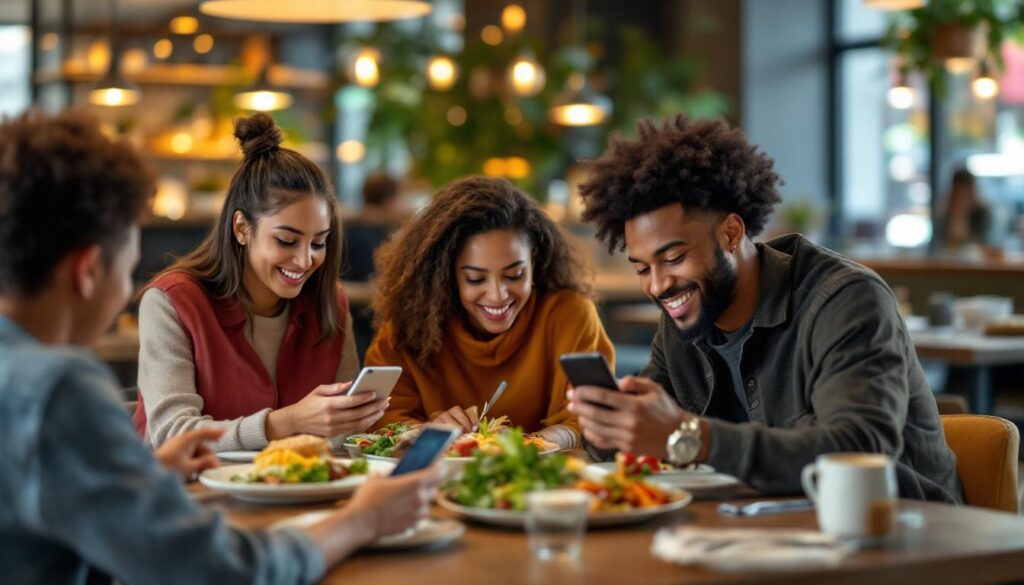
Technology that removes pain points—real-time reservation management, accurate wait-time notifications, and streamlined digital ordering—directly boosts satisfaction. A high percentage of diners now expect mobile payments and online booking as standard; those that provide responsive digital touchpoints reduce friction and increase the likelihood of return visits. Technology also enables more consistent service by automating routine tasks and freeing staff to focus on hospitality.
Interactive digital menus and frictionless payments
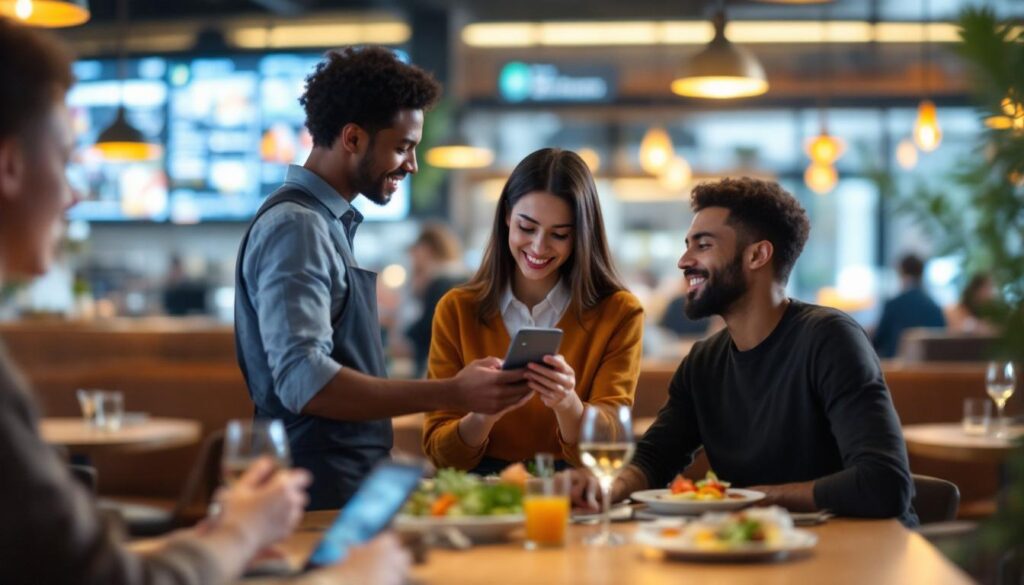
Interactive menus powered by AR overlays or enhanced images let guests preview dishes and view nutritional or allergen information instantly, reducing uncertainty and order regret. Coupled with frictionless payment flows—digital wallets, tap-to-pay at table, and integrated splitting options—these features shorten transaction times and enhance the dining rhythm. Digital menus also allow dynamic pricing and timely promotions, helping restaurants react to demand in real time.
Artificial intelligence to personalize the experience
AI is being used to tailor recommendations, predict demand, and personalize marketing. Recommendation engines can suggest dishes based on past orders, dietary preferences, and local popularity. Predictive staffing models improve labor scheduling, while AI-driven loyalty communications craft offers that match guest behavior. When deployed responsibly and transparently, AI increases relevancy without undermining guest trust.
Augmented and virtual reality as a decision-making and marketing tool
AR and VR are maturing from novelty to practical tools. Augmented reality menus enable diners to view 3D renderings of portions and plating, helping them make confident choices. VR can create immersive brand experiences—virtual tours of kitchens or thematic dining environments—that attract curious diners and generate shareable content. Used selectively, these tools enhance decision-making and provide distinctive marketing assets.
Solutions to reduce waste and improve traceability
Traceability platforms and waste-tracking software give operators visibility into sourcing and spoilage, enabling data-driven inventory management. Composting partnerships, donation networks, and nose-to-tail menu designs lower waste while signaling commitment to sustainability. Traceability also protects quality claims—being able to demonstrate where an ingredient came from strengthens storytelling and consumer trust.
Omnichannel integration and strategic use of data
An omnichannel approach connects in-restaurant, delivery, and marketing data to create a unified guest profile. This integrated view allows more precise offers, consistent messaging, and better lifecycle management of customer relationships. Strategic use of data—booking cadence, spend patterns, and feedback—guides menu engineering and promotional tactics, turning insight into measurable operational improvements.
Technology as a human support, not a substitute
While automation handles transactions and routine tasks, human interaction remains central to hospitality. Technology should free staff to deliver warmth, problem-solve, and personalize moments that machines cannot replicate. Successful operations blend efficient digital systems with well-trained teams empowered to use data and tools to enhance real human connections.
Digital marketing and authentic content
Authenticity is the currency of modern digital marketing. Short, genuine clips of kitchen technique, staff stories, and guest reactions resonate more than polished advertising. Encouraging guests to share user-generated content and collaborating with microinfluencers creates believable endorsements. Tying content to measurable calls-to-action—reservations, subscriptions, or limited-time events—ensures marketing drives both awareness and revenue.
Continuous measurement and iterative improvement

Continuous testing—A/B creative, limited-time offers, and menu tweaks—drives incremental gains. Key metrics to monitor include average check, table turnaround, repeat frequency, and social engagement rates. Regularly reviewing performance allows restaurants to iterate quickly, reallocating resources to what works and pausing initiatives that don’t deliver. This cycle of measurement and refinement turns trends into durable improvements.
Closing considerations
To thrive, restaurants should focus on marrying human-centered hospitality with intelligent technology and community-aligned practices. Subscription models and flexible service windows can stabilize revenue, while personalization and immersive storytelling deepen loyalty. Measurement and transparency about sustainability will increasingly shape consumer choices. By embracing modular operations and omnichannel insight, restaurants can adapt to when, how, and why people choose to dine out in 2025 and beyond.
Further reading on the shifts driving these strategies includes reporting on changing reservation patterns in major cities (FT), the rise of subscription dining models (AP News), consumer demands around service and experience (WiFi Talents), technology trends for menus and AR/VR (FB101), and social media strategies that drive engagement (Restaurant Brandbuilders).
Unlock the Future of Dining with Data-Driven Insights
At Rockstar Data, we specialize in empowering restaurants to elevate customer experiences through advanced data analytics and AI-driven solutions. Harness the power of your data to personalize service, optimize operations, and anticipate emerging trends in the dynamic restaurant landscape. Explore Our Solutions and start shaping the future of dining today.