How to build customer loyalty in a restaurant: effective strategies
Customer loyalty is the lifeblood of any successful restaurant. Repeat guests drive predictable revenue, reduce acquisition costs, and become the best advocates for a brand. Building loyalty requires a blend of operational excellence, emotional connection, smart use of technology, and measurable programs that reward and recognize guests. The following sections present actionable strategies grounded in recent industry data and practical examples, designed for operators who want to turn one-time visitors into lifelong patrons.
Creating memorable experiences for diners.
Guests remember how a meal made them feel more than any single menu item. Memorable experiences combine consistent food quality, attentive service, and small, purposeful surprises that elevate the visit. Attention to timing — from greeting to course pacing to check delivery — shapes the overall impression.
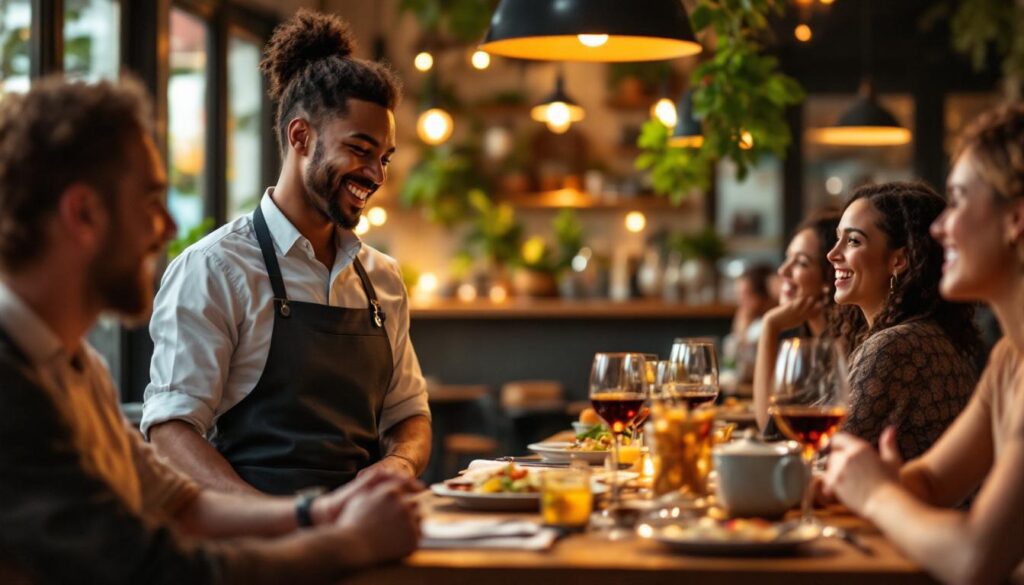
Key elements include staff warmth and responsiveness (70% of customers cite friendliness as a major influence on dining choices) and quick, efficient service (78% value fast service). These factors are essential whether the goal is a quick lunch turnover or a relaxed evening meal; both rely on well-trained teams and clear operational standards. Small gestures such as handwritten notes, complimentary amuse-bouches for special occasions, or a follow-up discount after a complaint can convert ordinary visits into standout memories.
Personalization of service according to customer preferences
Personalization is a powerful loyalty driver. Roughly 55% of customers want tailored experiences, and 78% say personalized service influences their loyalty. Recognizing guests by name, recalling dietary restrictions, and suggesting dishes based on past orders build an individualized relationship that feels genuine.
Practical steps include recording preferences in a reservation or CRM system, training staff to note and communicate guest details, and using POS data to recommend items. The recognition of regulars matters: over half of consumers are more likely to return to a restaurant that identifies and treats them as valued repeat guests. When personalization is seamless and respectful, it increases perceived value without being intrusive.
Design of environments and moments that generate emotional connection.
Atmosphere matters. Cleanliness, ambiance, and thoughtful design contribute to guests’ emotional responses — 76% of diners say cleanliness affects their impression, and 57% indicate atmosphere can make or break the experience. Lighting, music volume, comfortable seating, and pace of service all help create moments guests want to relive and share.
Design moments with intention: a warm welcome area, a signature plate presentation, or a ritualized dessert service can become part of the restaurant’s identity. Emotional connection is strengthened when the physical space supports the service style and brand story, whether that’s casual neighborhood dining or refined tasting menus. Consistency in these elements reinforces trust and encourages repeat visits.
Implementation of employee loyalty programs
Employee satisfaction directly affects customer loyalty. Happy, committed staff provide better service, show more patience, and are likelier to advocate for the brand. Investing in employee loyalty programs — such as recognition awards, performance bonuses tied to customer satisfaction, and clear career pathways — reduces turnover and preserves institutional knowledge.
Programs can include shift incentives, discounted meals for staff and families, and internal referral bonuses. When employees feel valued and see growth opportunities, they deliver more consistent and enthusiastic service, which customers notice and reward with repeat business.
Points and rewards systems for frequent customers
Points-based loyalty programs remain one of the most straightforward ways to encourage repeat visits. Digital loyalty schemes that track visits and spending offer tangible rewards — discounts, free items, or priority bookings — and provide data to tailor future offers. App-based systems adopted by major operators show how convenience and visible benefits can boost retention.
Design a tiered system that rewards frequency and spending without diluting margins. Immediate, attainable rewards (e.g., 10% off after three visits) maintain momentum, while higher-tier perks (e.g., exclusive tastings) increase lifetime value. Ensure the reward mechanics are simple to understand and use; complexity is a common reason programs stall.
Exclusive memberships with tangible benefits
Paid memberships or subscription models are growing in popularity. Restaurants can offer members-only benefits such as priority reservations, monthly tasting boxes, exclusive menu items, or complimentary delivery. When benefits are perceived as valuable, memberships generate steady revenue and deepen customer commitment.
Memberships should deliver clear, repeatable value to justify the cost. Examples include a fixed monthly fee for a set number of meals or discounts, or a tiered VIP program with escalating perks. Transparency about benefits, easy join/renew processes, and periodic member-only events help maintain and grow the subscriber base.
Digital strategies to maintain contact with customers
Maintaining contact beyond the dining room is essential. Digital channels — email, apps, SMS, and social media — provide low-cost ways to remind customers of the brand, promote offers, and solicit feedback. Digital ordering and contactless payment are increasingly expected: a majority of customers prefer contactless options and digital ordering has been linked to higher repeat rates.
Leverage a CRM to segment customers and send targeted messages: birthday offers, re-engagement incentives for lapsed guests, and previews of new menus. Balance promotional frequency to avoid fatigue. Automated confirmations, follow-up thank-yous, and simple feedback prompts keep communication timely and relevant.
Effective management of social networks and online reviews
Online reputation shapes dining decisions for many consumers — approximately 75% are influenced by reviews, and 72% consider social media presence important. Active management of reviews and social channels signals responsiveness and care. Prompt, professional replies to negative feedback turn potential detractors into satisfied patrons when handled correctly.
Use social platforms to showcase menu highlights, behind-the-scenes moments, and user-generated content. Encourage happy guests to leave reviews and make it easy with links in receipts and post-visit emails. Monitoring sentiment and review trends helps identify recurring issues that warrant operational fixes.
Email marketing and personalized offer notifications
Email remains a high-ROI channel when used with relevance and restraint. Personalized offers based on past visits — such as a dish discount for a guest who always orders a particular entrée — convert better than generic blasts. Segmentation by frequency, average spend, and occasion allows tailored messaging.

Run regular but infrequent campaigns: a monthly newsletter, special event announcements, and targeted re-engagement sequences for guests who haven’t visited in several months. Integrate loyalty program updates and exclusive member offers into emails to remind subscribers of benefits and encourage ongoing engagement.
Concrete ideas to implement immediately
Quick wins that can be implemented with minimal investment include: training a standardized greeting script for hosts, implementing a simple digital feedback form, and launching a basic points-based loyalty card. Small operational tweaks — ensuring tables are cleared quickly, refining course pacing, and standardizing portion sizes — improve perceived consistency.
Additional fast actions include offering a “welcome back” coupon to guests who haven’t visited in 90 days, adding a note field in the reservation system for guest preferences, and creating a social media calendar to post regular content. These steps create momentum while longer-term systems (CRM, membership platforms) are developed.
Key metrics to measure success
Tracking the right metrics ensures loyalty investments yield returns. Essential KPIs include repeat visit rate, customer lifetime value (CLV), average check for loyalty members vs. non-members, churn rate in loyalty programs, and net promoter score (NPS). Operational measures like table turnover, complaint resolution time, and online review ratings provide context for guest experience.
Combine quantitative measures with qualitative feedback from surveys and staff observations. Regular dashboards and monthly reviews help identify trends, validate program elements that work, and pivot away from ineffective tactics before they become costly.
Training and internal culture: the driving force of loyalty
Training is the foundation that turns strategy into consistent guest experiences. Regular, role-specific training sessions, shadow shifts for new hires, and quarterly refreshers on service standards keep teams aligned. Emphasize soft skills — empathy, active listening, problem solving — alongside product knowledge and operational procedures.

Culture is reinforced through leadership behavior, transparent communication, and recognition of staff contributions. When a culture values care for guests and supports employee development, loyalty becomes an outcome of everyday interactions rather than an engineered program. Empower staff to make small recovery gestures when service falls short; this autonomy often resolves issues faster and leaves guests impressed.
Success stories and quick learnings
Operators who have successfully increased retention often combine several tactics: consistent service standards, a digital loyalty program, targeted communications, and staff engagement initiatives. For instance, app-based programs introduced by pub operators in the UK demonstrated how digital rewards can boost repeat visits and spending, especially when combined with targeted offers and easy redemption mechanics.
Quick learnings from these cases include the importance of measuring incremental impact (did visits increase after a campaign?), keeping rewards simple and desirable, and closing the feedback loop with guests after issues are resolved. Paid membership examples also show that when perks are tangible and regularly used, churn is lower and revenue more predictable.
Relevant industry analysis provides depth: coverage of app-based loyalty adoption and membership models illustrates why digital-first programs are worth exploring for operators aiming to scale retention efforts. See reporting on digital loyalty adoption by major operators and industry coverage of membership trends for additional context: app-based loyalty in UK pubs and the rise of paid restaurant memberships in broader coverage in the news.
Conclusion: Combining tactics for a multiplier effect
No single tactic creates lasting loyalty on its own. The multiplier effect comes from combining consistent service, personalized interactions, meaningful rewards, engaged staff, and smart digital outreach. When each element reinforces the others — for example, staff trained to recognize members and deliver personalized perks promoted through email and the app — the cumulative impact is greater than isolated efforts.
Prioritize interventions that are measurable, scalable, and aligned with brand identity. Start with operational consistency and staff training, layer in a simple loyalty program, and then expand into more advanced personalization and membership offerings as data and capacity grow. Continuous measurement and iteration will maximize return on investment.
Boost your restaurant's loyalty with data and artificial intelligence
Data and AI amplify personalization and operational decision-making. A CRM combined with simple machine learning models can predict which guests are likely to churn, suggest targeted offers, and identify high-value customers for special treatment. AI tools can also analyze review sentiment, optimize email send times, and personalize menu recommendations based on past behavior.
Implementing AI does not require a large data science team. Many modern restaurant platforms offer built-in analytics and predictive features that integrate POS, reservation, and loyalty data. Start with clear questions — who are the most valuable guests, what drives repeat visits, which offers convert — and use analytics to answer them. Responsible use of data, clear opt-in consent for personalized contact, and transparent benefit communication ensure that technology strengthens trust rather than undermining it.
For operators interested in industry benchmarks and statistics around customer experience that support these strategies, curated industry summaries provide useful context on the influence of staff friendliness, quick service, reviews, and digital engagement on customer service and speed and comprehensive data on restaurant customer experience metrics in the restaurant sector. These sources help prioritize which elements to test first and measure during the rollout of loyalty initiatives.
Unlock Customer Loyalty with Data-Driven Insights
Ready to elevate your restaurant’s loyalty strategy with advanced analytics and AI? At Rockstar Data, we specialize in transforming your customer data into actionable insights that boost retention, personalize guest experiences, and drive sustained growth. Discover how our innovative solutions can help you harness the power of data to stay ahead in the competitive restaurant industry. Explore Our Solutions today and turn your diners into lifelong RockStars.