10 Top Bar Industry Trends to Watch in 2025
The bar industry trends to watch in 2025 are health-conscious drinking and low-ABV cocktails, immersive experience-based venues, concept and theme bars, local and seasonal cocktail ingredients, AI-powered inventory and predictive analytics, contactless ordering and payment, zero-waste programs with sustainable sourcing, and ethical labor practices with community engagement.
Bars are no longer just places to grab a drink; they’re evolving hubs where culture, technology, and sustainability intersect. As the industry pushes toward 2025, several trends are shaping how bars operate and how consumers engage with them. From the surge in low and no-alcohol options to the integration of cutting-edge technology, the bar scene is transforming rapidly. Understanding these shifts is essential for anyone involved in hospitality or simply curious about where nightlife is headed.
Evolving Consumer Preferences in Bar Culture
Consumer tastes in bars have shifted dramatically, reflecting broader lifestyle changes. The demand for healthier options and immersive experiences is redefining what patrons expect when they step into a venue.
The Rise of Health-Conscious Drinking and Low-ABV Cocktails
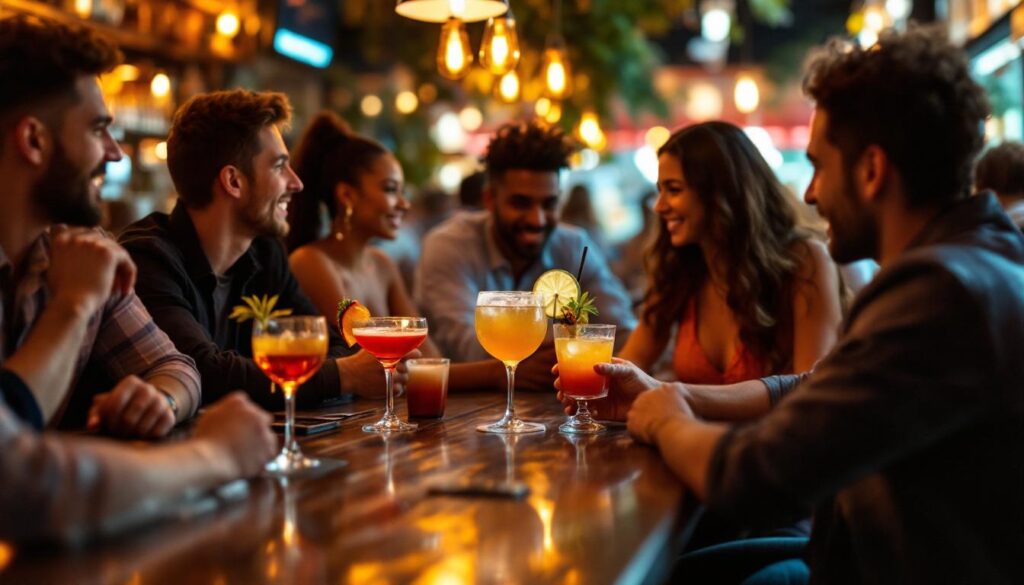
One of the most notable changes is the growing popularity of low- and no-alcohol beverages. Sales in this category have surged by 31% over the past year, with no-alcohol products growing four times faster than their low-alcohol counterparts. This reflects a broader health-conscious mindset among consumers who want to enjoy social drinking without the negative effects of alcohol. Non-alcoholic cocktails, in particular, are becoming a staple on menus, topping the list of food and beverage trends that bar owners expect to impact their business in 2025.
These options don’t just cater to those avoiding alcohol; they also appeal to consumers seeking new flavors and sophisticated alternatives. The rise of these beverages is pushing bartenders to innovate, crafting drinks that deliver complexity and enjoyment without relying on alcohol content. This shift is more than a fad-it’s a fundamental change in how drinking culture is evolving. Many bars are now investing in high-quality ingredients such as fresh herbs, exotic spices, and artisanal mixers to create non-alcoholic drinks that are as visually appealing and flavorful as their alcoholic counterparts. This not only enhances the drinking experience but also invites patrons to explore a wider range of tastes, making the bar scene more inclusive and diverse.
For more insights into this trend, barandrestaurant.com offers a detailed look at how non-alcoholic cocktails are reshaping the industry.
Experience-Based Consumption and Immersive Bar Environments
Beyond what’s in the glass, consumers are craving experiences that engage all their senses. Bars are responding by creating immersive environments that combine ambiance, storytelling, and interactive elements. This trend aligns with the concept of “glocalization,” where patrons seek a blend of global influences and authentic local culture. According to Remy Savage, understanding a bar’s cultural context is key to meeting these expectations.
Whether it’s through themed décor, unique music selections, or curated events, bars are becoming destinations for memorable moments rather than just places to drink. This experiential focus encourages longer visits and deeper customer loyalty, making it a critical strategy for success in 2025. Additionally, many establishments are now incorporating technology into their offerings, such as augmented reality menus or interactive mixology classes, which allow patrons to engage with their drinks on a deeper level. These innovations not only enhance the overall experience but also create shareable moments that patrons are eager to post on social media, further amplifying the bar’s reach and appeal.
More on this cultural shift can be found at nielseniq.com, where the role of bars in local and international contexts is explored.
Specialized concept and theme bars
Concept bars that tell a clear story—whether cultural, historical, or gastronomic—are gaining traction. A coherent design, menus aligned with the concept, and themed events create a unique offering that is difficult for generic chains to replicate.
Specialization can be based on technique (molecular cocktails), origin (bars dedicated to a region), or experience (sensory immersion bars). These offerings attract both local consumers and tourists seeking unique experiences, and tend to have greater popularity on social media.
Local and seasonal ingredients in cocktails
The use of local and seasonal ingredients brings freshness, reduces the transport footprint, and supports nearby producers. This approach allows us to create menus that change with the seasons, offering constant novelties and a narrative of sustainability that connects with conscious customers.
Traceability and honest communication about the origin of ingredients translate into trust and a greater willingness to pay for quality. In addition, working with local suppliers facilitates the creation of partnerships and joint events that benefit the community.
Technological Innovations Reshaping Bar Operations
Technology is no longer a back-office tool in bars; it’s front and center, transforming how venues operate and how customers interact with them. Automation, AI, and contactless solutions are becoming standard features.
AI-Powered Inventory Management and Predictive Analytics
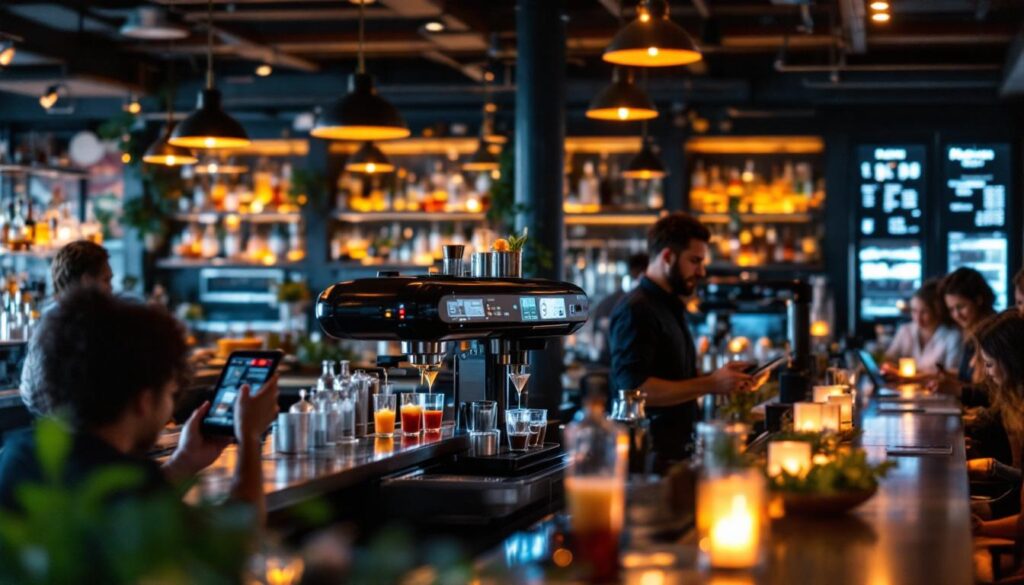
Managing inventory efficiently has always been a challenge for bars. Now, artificial intelligence is stepping in to streamline this process. AI-powered systems can predict demand patterns, optimize stock levels, and reduce waste, all while saving time for staff. This technology helps bars stay agile, responding quickly to changing consumer preferences and avoiding costly overstock or shortages.
With the bar and pub industry projected to reach USD 79.3 billion by 2025, leveraging AI and predictive analytics is a smart move to maintain profitability and operational efficiency. These tools also free up bartenders and managers to focus more on customer service and creativity rather than administrative tasks. Furthermore, by analyzing historical sales data and current trends, these systems can suggest new menu items or promotions that align with customer tastes, ensuring that bars remain competitive and relevant in a fast-paced market.
For a closer look at how technology is driving growth, visit essfeed.com.
Contactless Ordering and Payment Systems Evolution
Contactless technology has become a staple in many industries, and bars are no exception. The pandemic accelerated the adoption of touch-free ordering and payment systems, and this trend is set to continue growing by 17% annually through 2025, especially with automation and robotics playing a bigger role in bartending.
These systems enhance convenience and speed, reducing wait times and minimizing human error. They also open new avenues for personalized marketing and loyalty programs, as digital platforms can track customer preferences and spending habits. This technological evolution not only improves the customer experience but also helps bars operate more smoothly and safely. Additionally, with the integration of mobile apps, patrons can now browse menus, place orders, and even pay their tabs directly from their smartphones, creating a seamless experience that keeps them coming back for more.
Moreover, the rise of QR codes has revolutionized how bars present their offerings, allowing for dynamic menu updates that can reflect seasonal changes or special promotions in real-time. This adaptability not only enhances customer engagement but also allows bars to experiment with new drink recipes or limited-time offers without the need for printed materials. As technology continues to evolve, the possibilities for enhancing the bar experience are limitless.
More details on the impact of automation and robotics in bars are available at zipdo.co.
Sustainability and Ethical Practices in the Bar Industry
Environmental and social responsibility are becoming non-negotiable for many consumers. Bars that embrace sustainable and ethical practices are gaining favor with a growing segment of the market.
Zero-Waste Bar Programs and Sustainable Sourcing
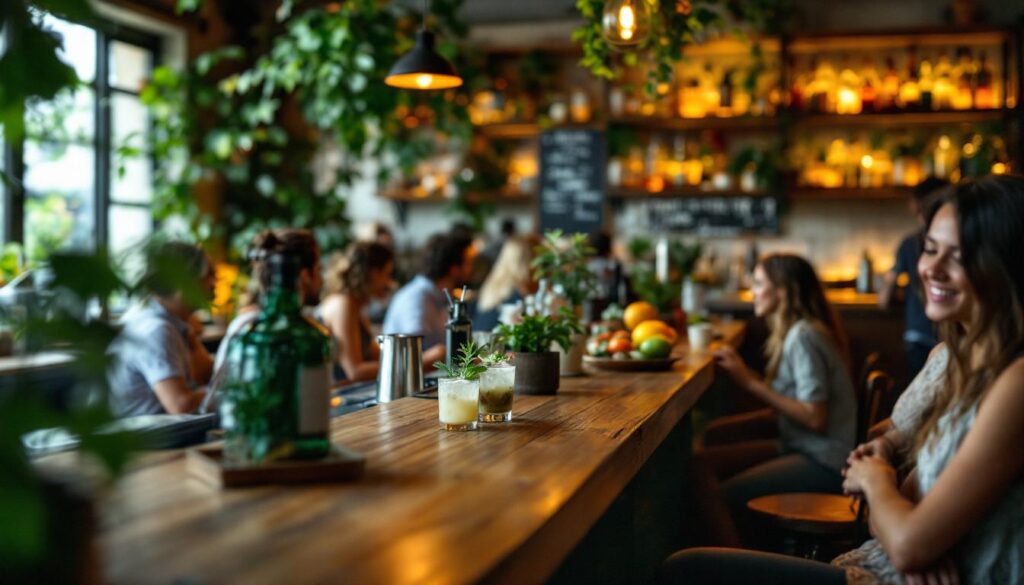
Eco-friendly bars are no longer niche; they’re mainstream. About 60% of consumers prefer establishments that implement sustainable practices, from zero-waste programs to sourcing ingredients locally and responsibly. This approach not only reduces environmental impact but also resonates with customers who want their choices to reflect their values.
Zero-waste initiatives can include composting organic waste, repurposing ingredients, and minimizing single-use plastics. Sustainable sourcing often involves partnering with local farmers and suppliers to ensure freshness and reduce carbon footprints. These efforts contribute to a bar’s unique identity and appeal, setting it apart in a crowded market. For instance, some bars have started creating cocktails using leftover ingredients from the kitchen, such as citrus peels or herb stems, which not only minimizes waste but also adds a creative twist to their drink offerings. This innovative approach not only delights customers but also sparks conversations about sustainability, making the bar a hub for eco-conscious patrons.
Ethical Labor Practices and Community Engagement Initiatives
Labor challenges are a significant issue in the bar industry, with over 85% of food and beverage professionals reporting difficulties in recruitment, retention, and training. Bars that prioritize ethical labor practices—fair wages, good working conditions, and professional development—tend to attract and keep better talent.
Community engagement is another critical aspect. Bars that actively support local causes, host community events, or collaborate with neighborhood organizations build stronger ties with their clientele. This fosters loyalty and creates a sense of belonging that goes beyond the typical customer relationship. For example, some bars have initiated programs where a portion of their proceeds goes to local charities or have organized events that highlight local artists and musicians, creating a vibrant community atmosphere. Such initiatives not only enhance the bar’s reputation but also encourage patrons to feel invested in the establishment, knowing their support contributes to the greater good.
Addressing these challenges thoughtfully is crucial for long-term success and reputation management in the industry. As the landscape continues to evolve, bars that are proactive in their approach to labor and community involvement will likely see a more engaged and loyal customer base.
Bars in 2025 will be defined by their ability to adapt to changing consumer demands, embrace technology, and commit to sustainability and ethical practices. These trends are shaping a future where bars are more than just places to drink—they’re cultural landmarks, technological innovators, and community pillars. As consumers become increasingly aware of their choices, the bars that lead the way in ethical practices will not only thrive but will also inspire others in the industry to follow suit, creating a ripple effect of positive change that extends far beyond the bar counter.
Transform Your Bar with Data-Driven Innovation
As the bar industry evolves, staying ahead means embracing the trends that shape tomorrow’s success. At Rockstar Data, we specialize in leveraging the power of data analytics and artificial intelligence to keep your business at the forefront of innovation. Whether you’re looking to enhance customer experiences, streamline operations, or lead the way in sustainability, our solutions are tailored to meet the challenges and opportunities of 2025. Explore Our Solutions today and unlock the potential of your data, ensuring your bar remains a cultural icon and a community pillar in the digital age.
Before investing in any of these trends, request a demo to see which trends show up in your bar’s data.