Restaurant Industry 2026: The Role of Digital Workers in the New Era
The restaurant industry is undergoing a profound transformation driven by digital innovation and evolving workforce dynamics. As the sector prepares to add an estimated 150,000 jobs annually between 2025 and 2035, reaching a total employment of 17.4 million people, the integration of technology in recruitment, operations, and customer engagement is reshaping how restaurants function and compete in the marketplace. This new era is characterized by the rise of digital workers—professionals who blend traditional hospitality skills with technological expertise to meet the demands of a fast-paced, tech-enabled dining environment.
Understanding the role of these digital workers and the technologies they leverage is essential for stakeholders aiming to thrive in the competitive restaurant landscape. From streamlining hiring processes to enhancing the guest experience, digital transformation is not just a trend but a fundamental shift in how the industry operates. This article explores the digital transformation of the restaurant sector, the emergence of new professional profiles, and the challenges and opportunities that lie ahead for digital workers in gastronomy.
The Digital Transformation of the Restaurant Sector
The restaurant industry’s digital transformation is accelerating at an unprecedented pace, driven by the need for efficiency, improved customer experience, and workforce optimization. Technology is no longer a supplementary tool but a core component of restaurant operations, influencing everything from recruitment to inventory management and customer interaction.
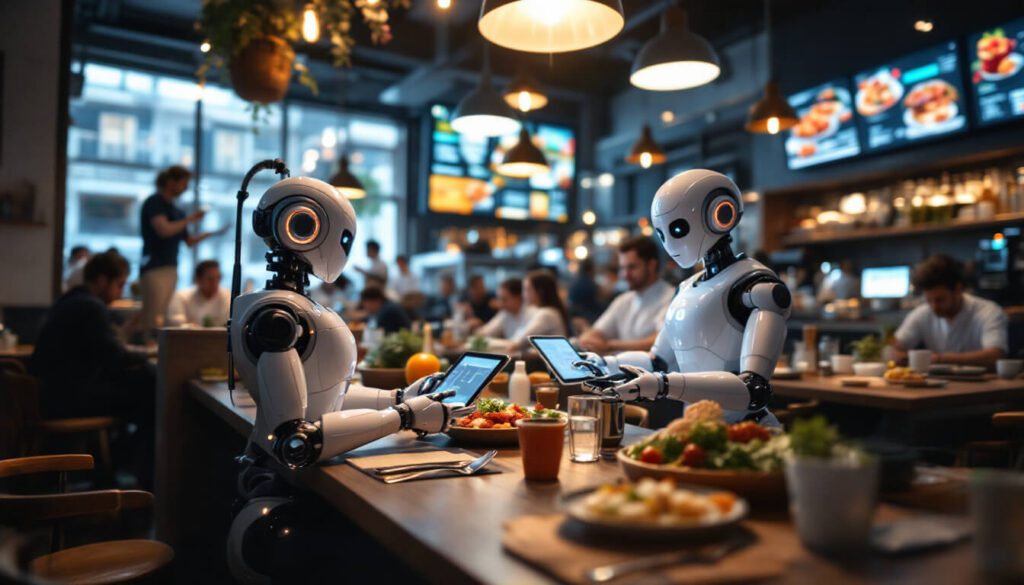
One of the most significant impacts of this transformation is on hiring and retention. According to the National Restaurant Association, technology has enabled restaurants to reduce hiring times and improve employee engagement, which is critical in an industry known for high turnover rates. More than 80% of restaurant operators acknowledge that technology gives them a competitive advantage, particularly in recruitment and workforce management, as noted by Chad Moutray, Vice President of Research and Knowledge at the National Restaurant Association.
Moreover, the adoption of digital ordering options has surged, with 70% of restaurant chains incorporating these systems in the past two years. This shift not only caters to changing consumer preferences but also creates new operational workflows that digital workers must manage effectively. The integration of digital inventory management systems, used by 55% of foodservice businesses, further exemplifies how technology streamlines backend operations, reducing waste and improving supply chain transparency.
Emerging Technologies Revolutionizing the Dining Experience
Emerging technologies such as artificial intelligence (AI), automation, and advanced analytics are revolutionizing the dining experience. AI-powered chatbots and virtual assistants are increasingly handling customer inquiries and reservations, providing personalized service around the clock. Automated kitchen equipment and robotics are enhancing food preparation efficiency, allowing kitchens to maintain quality while increasing throughput.
These innovations not only improve operational efficiency but also free up staff to focus on high-value tasks like customer engagement and team leadership. A recent study highlighted by the National Restaurant Association reveals that AI and automation are reshaping recruitment and retention by reducing hiring times and enhancing employee satisfaction, which ultimately benefits the customer experience. Additionally, the use of predictive analytics enables restaurants to anticipate customer preferences and optimize menu offerings, leading to increased customer satisfaction and loyalty.
Adapting Traditional Infrastructures to the Digital Environment
Adapting traditional restaurant infrastructures to accommodate digital tools requires strategic investment and cultural shifts. Physical spaces are being redesigned to support digital ordering kiosks, contactless payment systems, and integrated kitchen display systems. This transition demands that managers and staff develop new competencies to operate and maintain these technologies effectively.
Restaurants that successfully adapt are able to offer seamless omnichannel experiences, blending in-person dining with digital convenience. This hybrid approach not only meets modern consumer expectations but also drives increased revenue, as evidenced by 45% of restaurant owners who report higher earnings attributed to digital menu systems. The challenge lies in balancing these technological enhancements with the warm, personalized service that defines hospitality. Furthermore, as restaurants embrace these digital tools, they must also consider the importance of cybersecurity, ensuring that customer data is protected while maintaining trust and transparency in their operations. This dual focus on innovation and security is critical as the sector navigates the complexities of a rapidly evolving digital landscape.
Automation of Administrative and Inventory Processes
Administrative tasks such as payroll, scheduling, and compliance reporting can be time-consuming and prone to error when handled manually. Digital workers automate these processes, freeing managers to focus on customer service and strategic initiatives.
Inventory management is another critical area benefiting from automation. Digital systems track stock levels in real-time, predict reorder needs, and reduce waste by optimizing supply chain operations. This level of precision helps control costs and ensures that kitchens are always stocked with necessary ingredients. Furthermore, advanced inventory systems can analyze usage patterns, allowing restaurants to adjust their purchasing strategies based on seasonal trends or special events, ultimately enhancing profitability.
New Professional Profiles in Digital Dining
The rise of digital technologies in restaurants has given birth to new professional profiles that blend culinary expertise with digital literacy. These roles are crucial in bridging the gap between traditional hospitality and the demands of a digital-first environment.
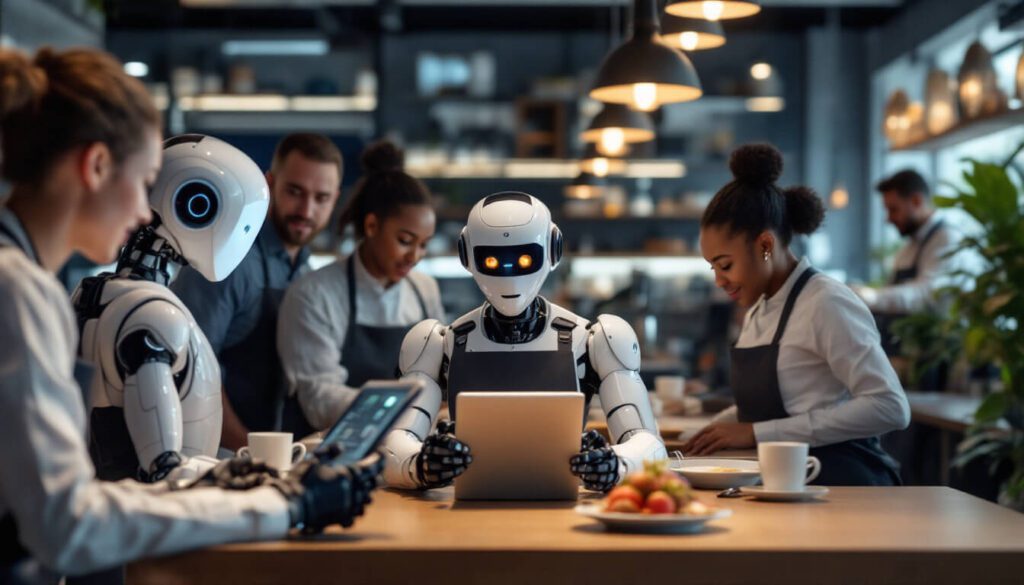
Digital workers in the restaurant industry are no longer confined to front-of-house or kitchen duties; they are increasingly involved in managing technology platforms, analyzing data, and crafting digital customer experiences that enhance brand loyalty and operational efficiency. The integration of these roles signifies a shift in how restaurants operate, emphasizing the importance of a seamless digital experience that aligns with evolving consumer expectations.
From Waiter to Digital Experience Manager
One notable evolution is the emergence of the Digital Experience Manager, a role that extends beyond traditional waiter responsibilities. These professionals oversee digital interaction points such as online ordering platforms, mobile apps, and social media engagement. They ensure that the customer journey is smooth, personalized, and responsive to feedback. This role requires not only a deep understanding of technology but also an acute awareness of customer behavior and preferences, enabling them to create tailored experiences that resonate with diners.
By leveraging data analytics and customer relationship management tools, Digital Experience Managers help restaurants tailor promotions, optimize menu offerings, and maintain high service standards across digital channels. Their work is essential in an era where 70% of restaurant chains have integrated digital ordering options, making the digital experience a critical competitive differentiator. Furthermore, these managers often collaborate with marketing teams to devise strategies that attract new customers while retaining existing ones, ensuring that the restaurant remains relevant in a fast-paced digital landscape.
Data and Gastronomic Analytics Specialists
Another emerging profile is that of Data and Gastronomic Analytics Specialists. These experts analyze vast amounts of operational and customer data to uncover insights that drive menu innovation, pricing strategies, and inventory management. Their role is integral to maximizing profitability and minimizing waste. By utilizing advanced analytics tools, they can predict trends and identify which dishes are performing well, allowing chefs to focus on popular items while phasing out underperformers.
By interpreting trends and customer preferences, these specialists enable restaurants to make data-driven decisions that enhance both the culinary offering and business performance. As digital inventory management systems become more widespread, these professionals play a key role in ensuring that technology investments translate into tangible benefits. They also work closely with suppliers to optimize purchasing strategies, ensuring that restaurants not only meet customer demand but also reduce excess inventory, which can lead to significant cost savings. In an industry where margins are often tight, the insights provided by Data and Gastronomic Analytics Specialists are invaluable in fostering a sustainable and profitable business model.
Challenges and Opportunities for Digital Workers
While the integration of digital workers offers numerous advantages, it also presents challenges that must be addressed to fully realize the potential of technology in restaurants. These challenges revolve around skill development, workforce adaptation, and maintaining the human element in hospitality.
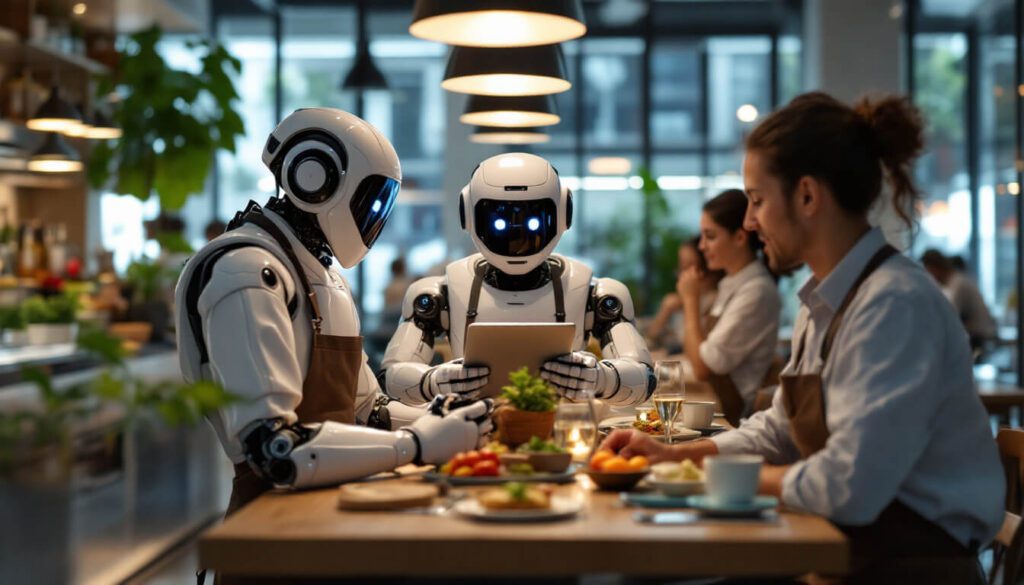
Continuous Training and Development of Technological Skills
Continuous training is paramount for digital workers to keep pace with rapidly evolving technologies. Restaurants must invest in ongoing education programs that enhance employees’ technical competencies, from operating digital ordering systems to utilizing AI-driven analytics tools.
Such training not only improves operational efficiency but also boosts employee morale and retention. The National Restaurant Association’s research underscores how technology-driven workforce strategies contribute to longer employee tenure, a vital factor in an industry historically challenged by high turnover rates.
Furthermore, the importance of fostering a culture of learning cannot be overstated. By encouraging employees to engage with new technologies and providing them with the resources needed to do so, restaurants can cultivate a workforce that is not only adaptable but also innovative. This proactive approach can lead to the emergence of new ideas and processes that enhance customer experience and operational effectiveness, ultimately setting establishments apart in a competitive market.
Balancing Automation with the Human Touch in Gastronomy
Despite the benefits of automation and digital tools, preserving the human touch remains a core challenge. Gastronomy is inherently a personal and sensory experience, and excessive reliance on technology risks alienating customers seeking authentic interactions.
Successful restaurants strike a balance by using automation to handle routine tasks while empowering staff to deliver personalized service. This approach ensures that technology enhances rather than replaces human connection, fostering loyalty and satisfaction.
Moreover, understanding how algorithm-mediated labor shapes worker activities, as explored in studies of online food deliverers in China, offers valuable lessons on managing the interplay between technology and human agency in the restaurant sector. As restaurants increasingly adopt digital platforms for ordering and delivery, the role of the worker shifts, necessitating a re-evaluation of job descriptions and responsibilities to ensure that employees can still engage meaningfully with customers.
As the restaurant industry moves toward 2026 and beyond, digital workers will be at the forefront of innovation and service excellence. Their ability to navigate technological tools while maintaining the essence of hospitality will define the success of restaurants in this new era. Additionally, as consumer preferences evolve, the integration of digital workers will likely lead to new dining experiences that blend convenience with culinary artistry, creating a dynamic landscape that challenges traditional notions of dining and service.
Transform Your Restaurant's Future with Rockstar Data
As you navigate the intersection of gastronomy and technology towards 2026, let Rockstar Data be your partner in embracing the digital era. Our expertise in data analytics and artificial intelligence is the key to unlocking the potential of your restaurant business. With our innovative solutions, you can gain actionable insights, refine your customer experience, and lead the charge in the industry’s digital transformation. Explore Our Solutions today and stay ahead of the culinary curve.