Immersive Gastronomic Experiences: 5 Proven Strategies
In an era where dining is no longer just about food but about the entire experience, immersive gastronomic experiences have become a pivotal trend in the culinary world. The global culinary tourism market, valued at $946.4 billion in 2023, is projected to soar to $3,515.1 billion by 2032, fueled by consumers’ growing appetite for cultural exploration and unique hands-on experiences. This surge highlights the importance of creating dining environments that engage all senses, tell compelling stories, and invite active participation.
For restaurateurs, chefs, and food enthusiasts seeking to elevate their offerings, understanding how to craft these immersive experiences is essential. This article explores five proven strategies that can transform a meal into a memorable journey, supported by insights from industry leaders, recent market developments, and cutting-edge research.
Immersive Gastronomic Experiences: Beyond the Plate
Creating an immersive dining experience starts with the ambiance, but it goes far beyond just the visual appeal of decor. Multisensory ambiance engages sight, sound, smell, and even touch to envelop guests in an environment that complements the culinary narrative.
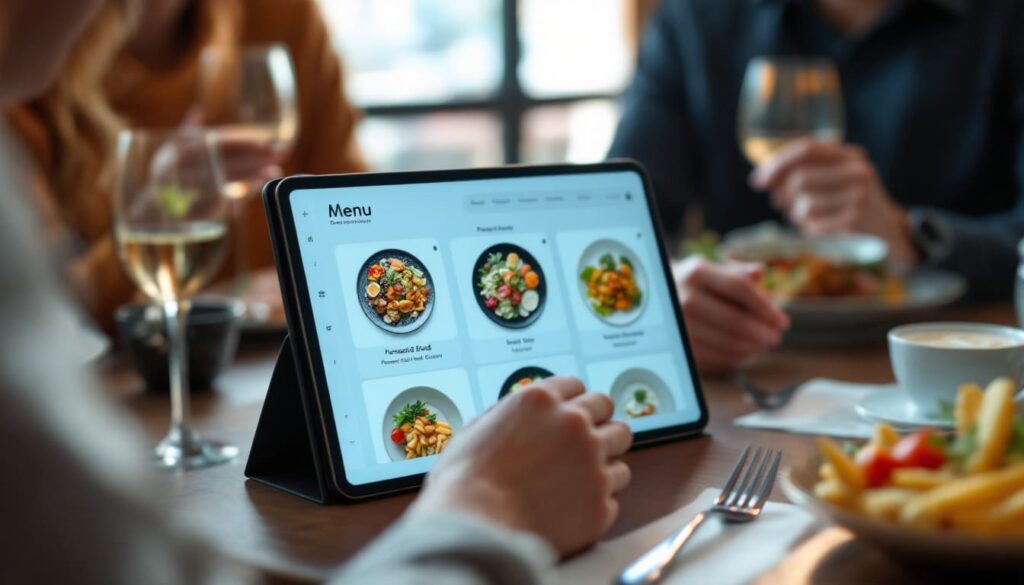
One of the most effective ways to deepen immersion is through multisensory design, which has seen a 35% increase in attendance in immersive dining events according to the 2025 Food Trends Report by Sirha Food. This trend reflects consumers’ desire for experiences that stimulate more than just the palate, creating lasting memories through a blend of sensory cues. For instance, the use of aromatic diffusers can evoke specific memories or emotions tied to certain cuisines, enhancing the overall dining experience and making it more personal for each guest.
Culinary Storytelling + Thematic Design
Storytelling is a powerful tool in immersive gastronomy. By weaving cultural, historical, or personal narratives into the dining environment, chefs and restaurateurs can create thematic designs that transport guests to different worlds. For example, a Malaysian-themed dinner might incorporate traditional textiles, music, and aromas that evoke the bustling street markets of Kuala Lumpur. This kind of thematic immersion not only captivates diners but also encourages them to engage with the food on a deeper level, fostering a connection that transcends the meal itself.
Such storytelling not only enhances the meal but also educates diners about the origins and significance of the dishes they enjoy. This approach aligns with the growing consumer interest in authentic cultural experiences, as highlighted by the launch of Airbnb Experiences’ Global Culinary Heritage Series, which offers immersive in-home chef experiences across 25 countries to preserve traditional cooking practices. These experiences allow participants to not only taste the food but also learn about the stories behind the recipes, creating a rich tapestry of understanding that enhances appreciation for diverse culinary traditions.
Lighting and Sound: Crafting Memorable Atmospheres
Lighting and sound are critical elements that shape the mood and perception of a dining space. Soft, warm lighting can create intimacy, while dynamic lighting effects can energize a room during interactive segments of the meal. Similarly, curated soundscapes—from ambient nature sounds to traditional music—can enhance the thematic narrative and influence diners’ emotional responses. For example, a restaurant specializing in coastal cuisine might play the gentle sounds of ocean waves, enhancing the freshness of the seafood and transporting diners to a seaside locale.
Simon Kim, CEO of Gracious Hospitality Management, emphasizes that immersive experiences should extend beyond the plate, blending science and mixology to offer guests new dimensions of flavor and cultural connection. This holistic approach ensures that lighting and sound are not afterthoughts but integral components of the gastronomic journey. Innovative use of technology, such as synchronized lighting changes that correspond with the courses being served, can further elevate the experience, making each moment feel unique and thoughtfully curated. By engaging all senses, restaurants can create a memorable atmosphere that lingers long after the meal is over, leaving diners eager to return for another adventure.
Interactive and Personalized Menus
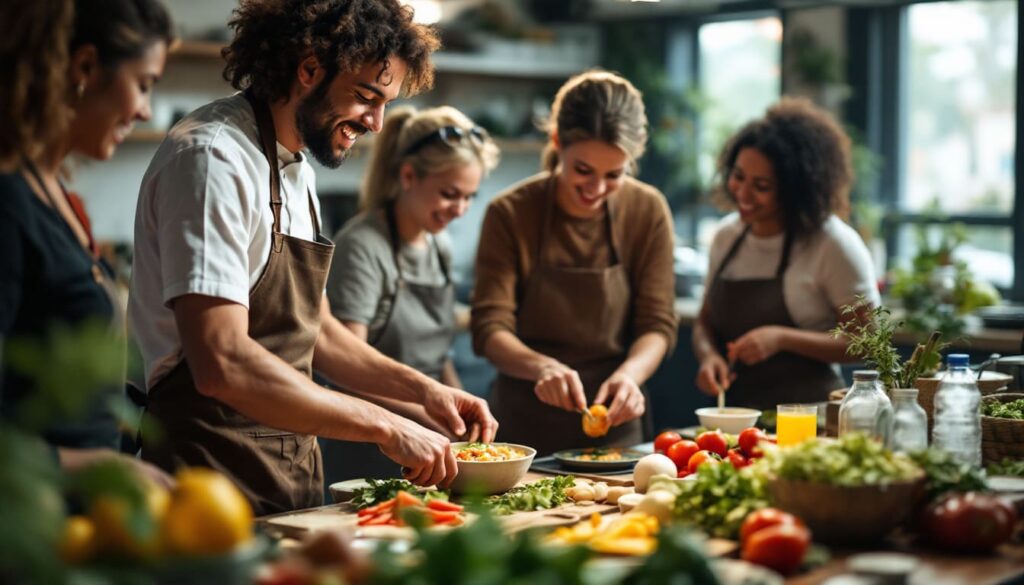
Menus are evolving from static lists to interactive tools that engage diners before and during the meal. Interactive menus can include digital elements such as touchscreens, augmented reality (AR), or QR codes that provide detailed information about ingredients, preparation methods, and suggested pairings. These innovations not only enhance the dining experience but also empower diners to make informed choices, allowing them to explore new flavors and culinary traditions at their own pace.
Personalization is key to meeting diverse dietary needs and preferences. According to AnaMaria Friede, executive leader of grocery for Whole Foods Market, consumers are increasingly seeking international tastes with a focus on Malaysian, Chinese, and Mexican cuisines, driving demand for products like sambal chili crunch and Sichuan sauce. Offering personalized menu options that cater to these tastes and dietary restrictions enhances satisfaction and inclusivity. Furthermore, the rise of plant-based diets and gluten-free options has prompted restaurants to innovate their offerings, ensuring that everyone, regardless of dietary choice, can enjoy a delightful meal tailored to their needs.
Technology Serving the Culinary Experience
Technology plays a pivotal role in delivering personalized culinary experiences. Virtual reality (VR) and AR can transport diners to the origin of their food or simulate cooking techniques, making the meal more engaging. A study published in November 2024 found that high personalization in VR experiences increased user engagement by 64.1%, underscoring the potential of these technologies to revolutionize dining. Imagine donning a VR headset and being virtually whisked away to a bustling street market in Bangkok, where you can learn about the spices and flavors that will soon grace your plate.
Restaurants can integrate these tools to provide immersive storytelling, detailed ingredient sourcing, or even chef-guided cooking tutorials, creating a seamless blend of education and entertainment. This not only enriches the dining experience but also fosters a deeper connection between diners and the culinary arts. By showcasing the journey of each dish—from farm to table—diners gain a greater appreciation for the craftsmanship involved, transforming a simple meal into a memorable adventure.
Personalization Based on Preferences and Dietary Restrictions
Personalized menus that consider allergies, dietary restrictions, and flavor preferences are no longer optional but expected. Leveraging data analytics and customer feedback enables chefs to tailor dishes and recommend alternatives that align with individual needs. This data-driven approach allows restaurants to stay ahead of trends and adapt their menus in real time, ensuring that they meet the ever-changing demands of their clientele.
This level of customization not only improves the dining experience but also fosters loyalty by showing diners that their unique preferences are valued. As culinary tourism continues to grow, offering personalized menus that reflect global flavors and accommodate diverse diets will be a competitive advantage. Additionally, the integration of feedback loops—where diners can rate their meals and suggest modifications—creates a dynamic menu that evolves with its audience, ensuring that every visit feels fresh and tailored to their tastes. This proactive approach not only enhances customer satisfaction but also builds a community around the dining experience, where guests feel heard and appreciated.
Active Customer Participation: Showcooking, Workshops, and Pairings
Engaging diners in the culinary process transforms them from passive consumers to active participants, deepening their connection to the food and culture. Showcooking, workshops, and guided tastings are effective strategies to foster this engagement.
Showcooking & Gastronomic Workshops
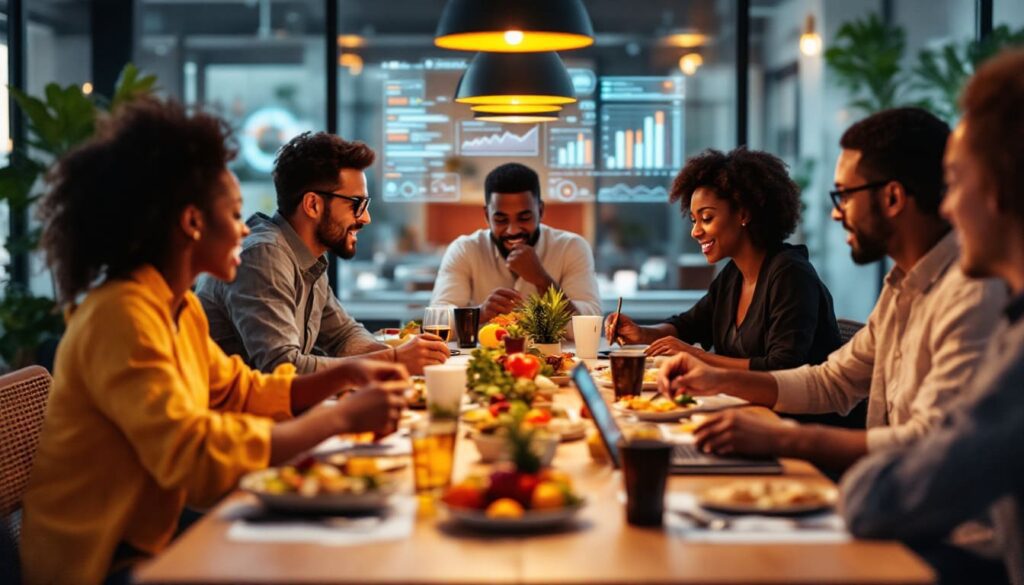
Showcooking events allow guests to witness the artistry and technique behind their meals, often with opportunities to interact with chefs. These live demonstrations can demystify complex cooking methods and highlight the freshness and quality of ingredients. The atmosphere is often electric, with the sizzle of pans and the vibrant colors of fresh produce captivating the audience. Guests not only watch but may also be invited to participate in simple tasks, such as chopping herbs or mixing ingredients, which enhances their connection to the culinary process.
Gastronomic workshops take this a step further by inviting participants to prepare dishes themselves under expert guidance. This hands-on approach not only educates but also creates a sense of accomplishment and personal connection to the cuisine. Participants often leave with not just new recipes but also a deeper understanding of the cultural significance behind each dish. Whether it’s mastering the art of pasta-making or learning the delicate balance of spices in a traditional curry, these workshops transform cooking from a chore into an enjoyable and enriching experience.
Guided Pairings and Commentated Tastings
Pairing food with complementary beverages—such as wine, craft cocktails, or artisanal teas—enhances flavor profiles and elevates the dining experience. Guided pairings led by sommeliers or mixologists provide insights into the origins and characteristics of each pairing, enriching diners’ appreciation. Attendees often find themselves immersed in the stories behind each beverage, learning about the regions where the ingredients are sourced and the artisans who craft them. This narrative aspect adds a layer of depth to the tasting experience, making it not just about flavor but also about tradition and craftsmanship.
Simon Kim’s approach to blending mixology with immersive dining highlights how these curated experiences can introduce guests to new flavor dimensions while fostering cultural connections beyond the plate. By incorporating elements such as seasonal ingredients and local spirits, Kim creates a dynamic dialogue between the food and drink, encouraging guests to explore unexpected combinations. This not only broadens their palates but also instills a sense of adventure in their dining choices, inspiring them to replicate these experiences at home or seek out similar culinary explorations in the future. The result is a vibrant community of food enthusiasts who are eager to share their newfound knowledge and experiences with others, further enriching the culinary landscape.
Maximize Your Gastronomic Experience with Data Analytics
Ready to take your immersive gastronomic experiences to the next level? At Rockstar Data, we understand the importance of creating memorable dining experiences that resonate with your customers. Our expertise in data analytics and artificial intelligence can provide you with the insights needed to tailor your offerings, enhance customer engagement, and stay ahead in the competitive culinary world. Explore Our Solutions today and discover how we can help you revolutionize your customers’ visits with data-driven strategies.