How to Make Nightlife Businesses Profitable
Discover proven strategies to make nightlife businesses profitable, boost revenue, attract more customers, and stay competitive. Unlock expert tips—read now!.
The nightlife industry is a vibrant and lucrative sector, with the global bar industry alone valued at approximately $810 billion in 2025. This immense market reflects the growing demand for social venues where people can unwind, socialize, and enjoy quality beverages. However, despite its potential, running a profitable nightlife business requires strategic planning, market insight, and operational excellence. Understanding the dynamics of this industry is crucial for entrepreneurs and bar owners aiming to maximize profitability and sustain long-term success.
With nearly half of all alcohol sales in the U.S. occurring in bars and clubs, the stakes are high for those looking to capitalize on this trend. This article explores key strategies and challenges in making nightlife businesses profitable, supported by the latest industry data and market trends.
Understanding the Nightlife Business Landscape
Current Trends and Market Analysis
The nightlife industry is experiencing significant growth and transformation. According to the Gitnux Report 2025, the global bar industry is projected to reach a staggering $810 billion valuation this year, up from $150 billion in 2022. This rapid expansion highlights the increasing consumer appetite for nightlife experiences worldwide.

One notable trend is the rise of craft cocktails and specialty beverages. The global craft cocktail market is expected to grow at a compound annual growth rate (CAGR) of 7.5% through 2027, reflecting consumers’ growing preference for unique and high-quality drink options. Additionally, the number of microbreweries supplying craft beer to bars has surged by 40% in the past three years, emphasizing the shift towards artisanal and locally sourced products. This trend is not just limited to drinks; many establishments are now focusing on sourcing local ingredients for their food menus, creating a farm-to-table experience that resonates with health-conscious consumers.
The bar equipment market is also expanding, projected to reach $5 billion by 2025. This growth underscores the importance of investing in modern, efficient tools and technology to enhance customer experience and operational efficiency. Innovations such as smart bartending systems and inventory management software are becoming essential for bar owners looking to streamline operations and reduce waste. Furthermore, the integration of mobile payment systems and contactless ordering has become increasingly popular, catering to the tech-savvy clientele that values convenience and speed.
Identifying Your Target Demographic
Success in the nightlife business hinges on a deep understanding of the target audience. Different demographics have distinct preferences regarding venue ambiance, drink selection, and entertainment options. For example, younger crowds may gravitate towards craft cocktails and rooftop bars, which are valued at approximately $1.5 billion globally and growing at an annual rate of 8%. These venues often feature vibrant atmospheres, live music, and themed events that attract a social crowd eager for unique experiences.
Meanwhile, more mature audiences might prefer wine selections, which have seen a 12% increase in sales in bars worldwide over the past five years. Establishments that offer curated wine lists and tasting events have found success in attracting this demographic, as they appreciate the sophistication and quality associated with fine wines. Tailoring your offerings to meet the tastes and expectations of your core demographic can significantly boost customer loyalty and repeat business. Moreover, understanding the social dynamics of your target audience can inform marketing strategies, such as leveraging social media platforms to engage with potential customers and create buzz around upcoming events or promotions.
Main challenges to making a nightlife business profitable
Despite the promising market size and growth trends, nightlife businesses face several challenges that can impact profitability. One primary obstacle is the relatively modest profit margin, which averages between 10-15%. This narrow margin means that even small inefficiencies or missteps can have outsized effects on the bottom line.
Another challenge is the high startup and operational costs. Opening a new bar can cost anywhere from $250,000 to $750,000 depending on size and location, with ongoing expenses such as rent, staffing, and inventory management further squeezing profits. Additionally, the competitive landscape is intensifying, with the number of bars in the U.S. increasing by 10% over the past five years to approximately 50,000 venues.
Regulatory compliance, fluctuating consumer preferences, and seasonal demand fluctuations also add layers of complexity for bar owners aiming to maintain steady profitability. For instance, navigating the labyrinth of local liquor laws can be a daunting task, often requiring legal counsel and significant time investment. Furthermore, changes in regulations can occur unexpectedly, leading to additional costs or operational restrictions that can severely impact a bar’s ability to serve its customers effectively.
Moreover, understanding and adapting to consumer preferences is crucial in this dynamic industry. Trends can shift rapidly, influenced by factors such as social media, celebrity endorsements, and cultural movements. As a result, bar owners must stay attuned to the latest trends in mixology, entertainment, and ambiance to attract and retain patrons. This might involve regular menu updates, themed events, or collaborations with local artists and musicians to create a unique experience that stands out in a crowded market.
Marketing strategies to attract more customers
Effective marketing is essential for attracting and retaining customers in the nightlife industry. Leveraging social media platforms and targeted advertising can help build a strong brand presence and engage potential patrons before they even step through the door. Platforms like Instagram and TikTok are particularly influential, as they allow venues to showcase their ambiance, signature cocktails, and live events through visually engaging content. Utilizing user-generated content, where customers share their experiences, can further amplify reach and authenticity, making potential visitors feel more connected to the venue.
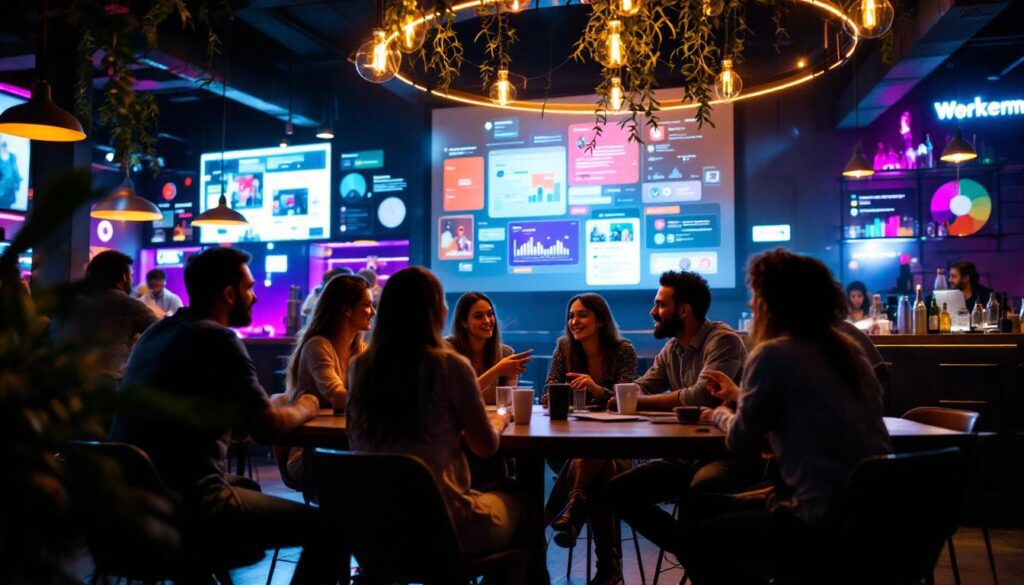
Events and themed nights are powerful tools to draw crowds and create buzz. Collaborations with local artists, DJs, or microbreweries can add unique appeal and differentiate a venue from competitors. Since 66% of bar owners plan to expand their beverage menu in the next year, introducing new and innovative drinks can also serve as a compelling marketing hook. Special promotions, such as happy hours or limited-time offers tied to these events, can create a sense of urgency and encourage patrons to visit more frequently. Additionally, hosting contests or giveaways on social media can further engage the audience and incentivize them to share the venue with their friends, thus broadening the customer base.
Building a loyal customer base through membership programs or exclusive offers encourages repeat visits and word-of-mouth referrals, both of which are invaluable in a saturated market. Implementing a rewards system that recognizes frequent visitors can foster a sense of community and belonging among patrons. Moreover, personalized marketing strategies, such as sending tailored emails or messages about upcoming events that align with customers’ preferences, can enhance customer satisfaction and loyalty. By creating an inviting atmosphere and offering unique experiences, venues can transform casual visitors into devoted fans who eagerly promote the establishment to their social circles.
Optimizing Revenue Streams
Strategic Pricing and Promotions
Pricing strategy is a delicate balance between maximizing revenue and ensuring customer satisfaction. Bars typically operate on profit margins of 10-15%, so pricing must cover costs while remaining attractive to patrons. Offering happy hour specials or limited-time promotions can increase foot traffic during slower periods without eroding overall profitability. These promotions not only serve to entice new customers but also encourage repeat visits from loyal patrons who appreciate the value offered during these times.
Dynamic pricing based on peak hours or special events can also help optimize revenue. For example, rooftop bars, which are growing rapidly, can charge premium prices for their unique ambiance and views, capitalizing on their niche appeal. Moreover, implementing a tiered pricing strategy for different days of the week or during special events can create a sense of urgency, prompting customers to visit during less busy times. This approach not only maximizes revenue but also helps manage crowd flow, ensuring a more enjoyable experience for all guests.
Diversifying Income Sources Beyond Alcohol Sales
While alcohol sales constitute a significant portion of revenue, diversifying income streams can enhance profitability and reduce risk. Many bars now incorporate food menus, live entertainment, merchandise sales, and private event hosting to broaden their revenue base. By offering a well-curated food menu that complements the drink selection, bars can attract a wider audience, including those who may not be interested in alcohol but are looking for a vibrant social atmosphere. Additionally, hosting trivia nights, karaoke, or live music events can create a lively environment that draws in crowds and encourages patrons to stay longer and spend more.
Additionally, investing in bar equipment and technology can open new avenues such as cocktail-making classes or branded experiences. The global market for bar equipment is expected to hit $5 billion by 2025, showing strong demand for innovation in this space. By leveraging social media and digital marketing strategies, bars can promote these unique offerings, creating buzz and attracting customers eager to participate in interactive experiences. Furthermore, collaborating with local artisans or chefs for pop-up events can enhance the bar’s reputation and draw in new clientele, ultimately contributing to a more robust and resilient business model
Operational Excellence for Long-term Profitability
Staff Management and Training for Maximum Efficiency
Well-trained staff are critical to delivering exceptional customer experiences and maintaining operational efficiency. Investing in comprehensive training programs ensures bartenders and servers can upsell effectively, manage busy periods, and uphold service standards. These programs should not only focus on technical skills but also emphasize soft skills such as communication, conflict resolution, and teamwork. By fostering a culture of continuous learning, businesses can empower their employees to adapt to changing customer preferences and industry trends.
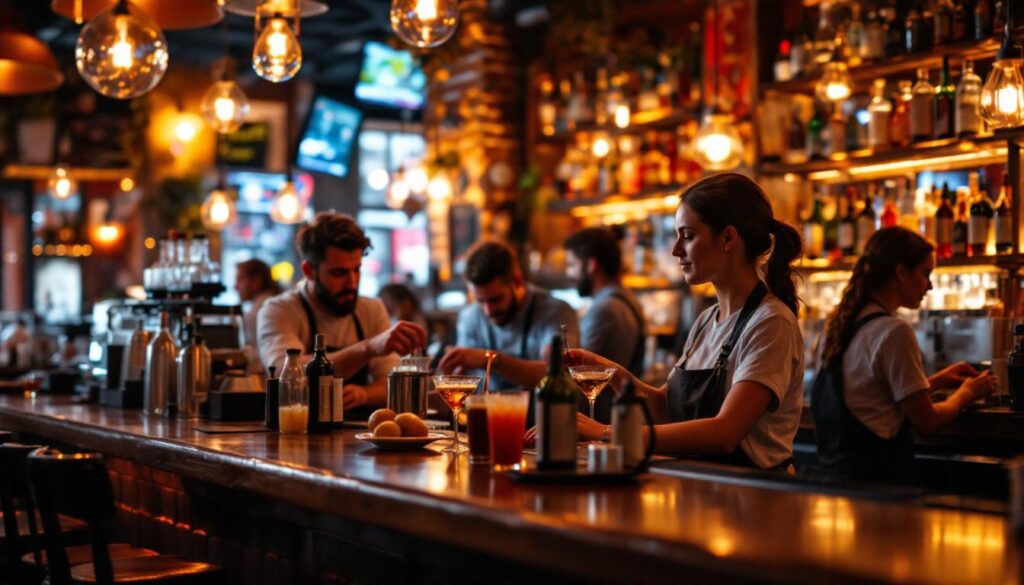
Employee satisfaction also impacts turnover rates, which can be costly and disruptive. Creating a positive work environment and offering competitive compensation helps retain skilled staff, directly contributing to smoother operations and better customer retention. Additionally, implementing recognition programs that celebrate employee achievements can boost morale and encourage a sense of belonging. Regular feedback sessions and opportunities for career advancement further enhance job satisfaction, ensuring that employees feel valued and motivated to deliver their best.
Cost Control Strategies Without Compromising Experience
Controlling costs is essential, but it should never come at the expense of the customer experience. Smart inventory management, negotiating supplier contracts, and reducing waste are practical ways to maintain profitability. Utilizing technology, such as inventory management software, can provide real-time insights into stock levels and help identify slow-moving items, allowing businesses to make informed purchasing decisions. Additionally, implementing a robust waste management system can minimize food and beverage waste, which not only saves money but also aligns with sustainability goals that many consumers prioritize today.
Energy-efficient equipment and technology can also reduce utility expenses over time. Investing in smart thermostats, LED lighting, and energy-efficient appliances not only lowers costs but also enhances the overall ambiance of the venue, creating a more inviting atmosphere for guests. Balancing cost control with quality ensures patrons enjoy a memorable experience that encourages repeat visits and positive reviews. Moreover, leveraging social media and customer feedback can help identify areas for improvement, allowing businesses to fine-tune their offerings based on direct consumer insights.
Overall, operational excellence is a continuous process of refinement and adaptation, vital for sustaining profitability in the competitive nightlife industry. By embracing innovation and staying attuned to market shifts, businesses can position themselves as leaders in their field. This proactive approach not only enhances operational efficiency but also fosters a loyal customer base that appreciates the commitment to quality and service.
By understanding the market landscape, addressing challenges head-on, employing targeted marketing strategies, optimizing revenue streams, and maintaining operational excellence, nightlife businesses can thrive and achieve lasting profitability. The data and trends from 2025 underscore the tremendous opportunities available for those willing to innovate and execute effectively in this dynamic sector. As consumer preferences evolve, businesses that remain agile and responsive will be best positioned to capitalize on emerging trends, ensuring their relevance and success in an ever-changing environment.
Maximize Your Nightlife Business Success with RockStar Data
Ready to elevate your nightlife business to new heights of profitability? At RockStar Data, we understand the unique challenges and opportunities within the nightlife industry. Our data analytics and artificial intelligence solutions are specifically designed to provide actionable insights that can transform your operations, marketing, and customer experience. Don’t let the competition outshine you. Explore Our Solutions today and become the leading star in the nightlife scene.