5 Financial Optimization Strategies for Bars
Running a successful bar requires more than just mixing great drinks and creating a welcoming atmosphere. In today’s competitive market, financial optimization is essential to maximize profitability and ensure long-term sustainability. With the global bar industry generating approximately $150 billion in revenue in 2022, there is significant potential for growth—but only if bars manage their finances smartly.
This article explores five key financial optimization strategies that bar owners and managers can implement to increase profitability, reduce costs, and strengthen their financial position. By focusing on these areas, bars can not only survive but thrive in an increasingly dynamic environment.
Increase Profitability with Financial Control
Financial control is the cornerstone of profitability in any bar. Understanding where revenue comes from and how expenses are managed allows owners to make informed decisions that boost the bottom line. One of the first steps is to analyze the average spend per customer. In the US, the average bar spend per person is around $25 per visit, with patrons typically visiting about 4.2 times per month. This means that optimizing customer experience to encourage repeat visits can significantly increase revenue. Strategies such as loyalty programs, happy hour specials, and themed events can effectively entice customers to return more frequently, thereby enhancing overall sales.

Moreover, bars should monitor their gross profit margins closely. The industry average stands at approximately 70%, with craft bars often achieving margins above 75%. Maintaining or exceeding these margins requires diligent tracking of inventory, pricing strategies, and waste management. Using point-of-sale systems and inventory software can help identify areas where costs creep up and where pricing adjustments might be necessary. Additionally, implementing a regular inventory audit can reveal discrepancies and help in reducing shrinkage, which is crucial for maintaining healthy profit margins.
Another important aspect of financial control is managing labor costs without compromising service quality. Bartenders’ tips have risen to an average of $3.50 per drink, reflecting improved service standards. Investing in staff training can enhance customer satisfaction and justify premium pricing, ultimately contributing to higher profitability. Furthermore, creating a positive work environment can lead to lower turnover rates, which saves on recruitment and training costs. Engaging employees through incentives and recognition programs not only boosts morale but also fosters a culture of excellence that resonates with patrons.
In addition, bars should consider diversifying their offerings to attract a broader clientele. By introducing signature cocktails, seasonal drinks, or even non-alcoholic options, establishments can cater to varying tastes and preferences. This not only enhances the customer experience but also opens up new revenue streams. Collaborating with local breweries or distilleries for exclusive partnerships can create unique promotional opportunities, drawing in crowds eager to try something new. Such initiatives can significantly elevate a bar’s profile in the community, making it a go-to destination for both locals and visitors alike.
Cost Reduction in Bars
Reducing costs is a critical strategy for financial optimization, but it must be balanced carefully to avoid diminishing the customer experience. One effective approach is to optimize inventory management. Over-ordering or spoilage can eat into profits, so bars should implement systems to track stock levels accurately and forecast demand based on historical sales data. By utilizing inventory management software, bars can automate stock tracking and receive alerts when items are running low, ensuring that they never run out of popular products while minimizing excess inventory that could lead to waste.

Energy consumption is another area where bars can cut costs. Simple measures such as upgrading to energy-efficient lighting and refrigeration, as well as scheduling equipment use during off-peak hours, can lead to noticeable savings. Additionally, negotiating with suppliers for better pricing or bulk discounts can reduce the cost of goods sold without sacrificing quality. Incorporating smart thermostats and energy management systems can further enhance efficiency, allowing bars to monitor and adjust energy usage in real-time, thereby reducing utility bills significantly.
Happy hour promotions are widely used, with approximately 80% of bars offering them to attract customers during slower periods. While these promotions can boost foot traffic, it’s vital to design them in a way that maintains profitability. For example, focusing discounts on high-margin items or limiting happy hour times can help control costs while still driving sales. Furthermore, bars can create themed happy hours that align with local events or holidays, encouraging patrons to visit more frequently and increasing overall sales during these promotional periods.
Implementing these cost-reduction strategies can enhance the overall financial health of a bar, making it more resilient to market fluctuations and competitive pressures. Beyond these tactics, staff training can also play a pivotal role in cost management. Educating employees about portion control, upselling techniques, and efficient service practices can lead to reduced waste and increased revenue. Additionally, exploring customer feedback through surveys can help bars identify areas for improvement, ensuring that cost-cutting measures do not compromise the quality of service or product offerings.
Strengthen profitability with financial optimization
Beyond controlling costs and revenues, bars can strengthen profitability through broader financial optimization strategies. One such approach is diversifying the product offering. For instance, wine sales in bars have increased by 12% globally over the past five years, signaling a growing consumer preference that bars can capitalize on. Introducing curated wine selections or wine pairing events can attract new clientele and increase average spend. In addition to wine, bars might consider expanding their craft cocktail menu or incorporating local brews to appeal to the ever-growing demographic of craft beer enthusiasts. Seasonal and themed drink specials can further entice patrons, encouraging them to try something new and increasing their overall spend during each visit.
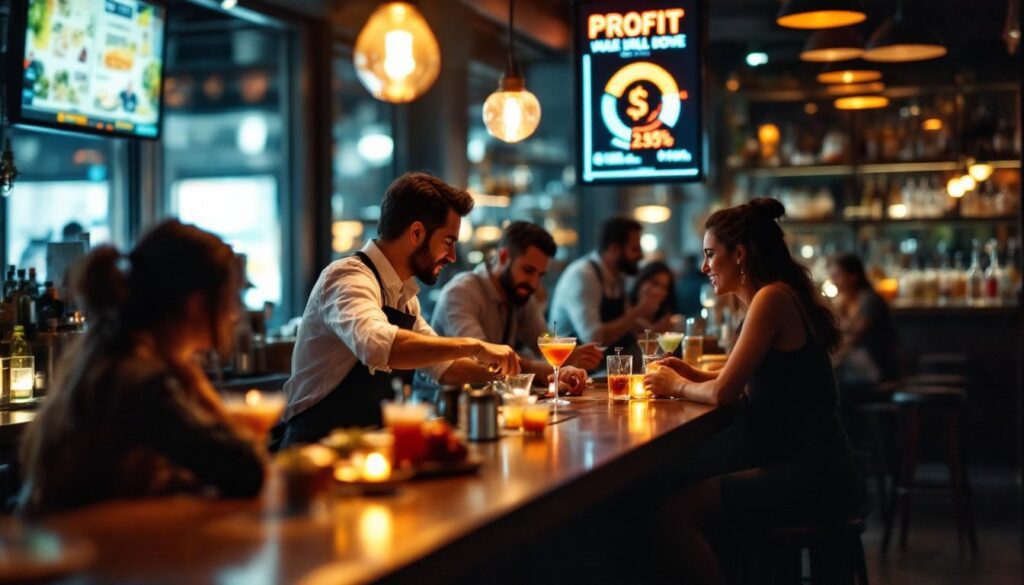
Location also plays a significant role in financial optimization. The number of bars operating in prime urban locations has risen by 8% in the last three years, enhancing revenue opportunities due to higher foot traffic and greater visibility. While securing a prime location might involve higher rent, the potential for increased sales often justifies the investment. Additionally, bars can benefit from collaborating with nearby businesses for cross-promotions or events, creating a community atmosphere that draws in more customers. Establishing partnerships with local restaurants or entertainment venues can lead to mutually beneficial arrangements, such as offering discounts to patrons who show receipts from partner establishments, thus driving traffic to all involved.
Additionally, leveraging data analytics to understand customer behavior and preferences can inform targeted marketing campaigns and personalized promotions. This not only improves customer retention but also increases the efficiency of marketing spend. Bars that adopt technology-driven financial optimization tools tend to outperform those relying solely on traditional methods. By utilizing customer relationship management (CRM) systems, bars can track purchasing patterns and tailor their offerings accordingly, ensuring that they meet the evolving tastes of their clientele. Moreover, implementing loyalty programs that reward repeat customers can enhance engagement and encourage frequent visits, ultimately boosting the bottom line.
Finally, maintaining a strong cash flow and regularly reviewing financial statements ensures that bars can respond quickly to challenges and capitalize on opportunities. Even small improvements in financial management can translate into substantial gains for a bar. Establishing a budget that includes a reserve for unexpected expenses can provide a safety net, allowing bars to navigate fluctuations in the market without compromising service quality. Regular financial audits can also uncover inefficiencies and areas for improvement, ensuring that bars remain competitive and profitable in an ever-evolving industry landscape.
Promotions that respect margins
Promotions should be designed for products with sufficient margin to absorb discounts. Instead of reducing the overall price, a low-cost complimentary add-on (e.g., a tapa or a small drink) can be offered to increase the perception of value without eroding margins.
Empower Your Bar's Financial Strategy with Rockstar Data
Ready to take your bar’s profitability to the next level? At Rockstar Data, we specialize in leveraging the power of data analytics and artificial intelligence to refine your financial strategies and optimize your operations. Our solutions are tailored to the unique needs of the bar industry, providing you with actionable insights that can transform your business. Don’t let the competition get ahead—Explore Our Solutions today and become the leading venue in your market.