What are the key indicators for analyze the performance of your bar.
Discover the key indicators to analyze your bar’s performance and optimize revenue.
Running a successful bar goes far beyond serving drinks and providing a pleasant atmosphere. To remain competitive and profitable, it’s essential to understand and monitor certain key indicators that reflect financial and operational health, as well as customer satisfaction. With a global alcoholic beverage market that generated $1.593 trillion in 2022 and is projected to grow at an annual rate of 2.6% through 2028, the growth potential is significant, but so is the competition. according to Digital Journal .
This article breaks down the most relevant indicators for analyzing your bar’s performance, from financial metrics to those that measure customer experience and operational efficiency. Understanding them will allow you to make informed and strategic decisions to boost your business.
Fundamental financial indicators
The financial aspect is fundamental to evaluating the profitability and sustainability of any bar. Without rigorous control of income and expenses, it’s impossible to know if the business is functioning correctly or if it requires immediate adjustments.
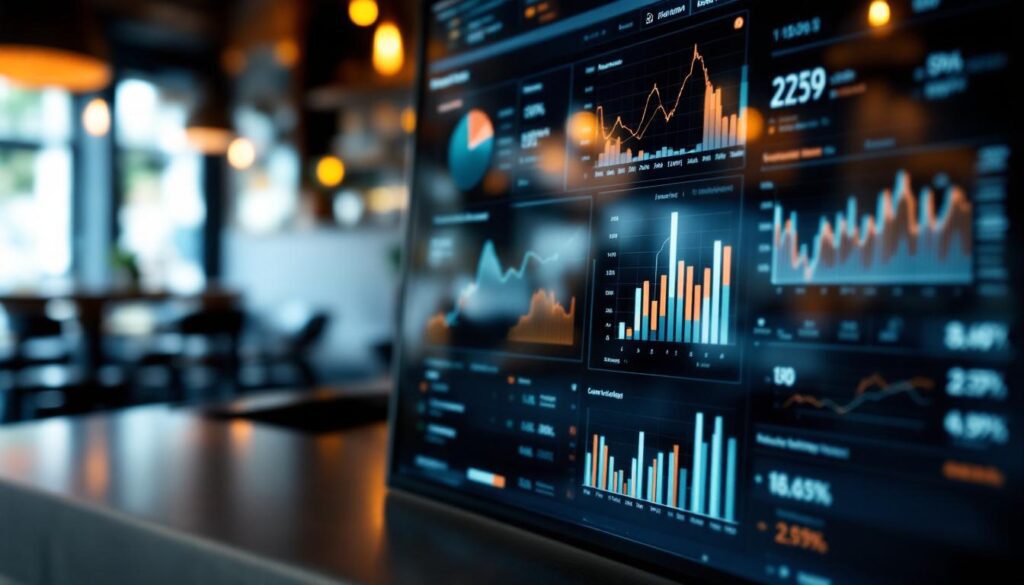
Financial indicators offer a clear view of how resources are being managed and what the actual profit margin is. This is especially important in an industry where inventory and operating costs can fluctuate considerably. For example, variability in the prices of raw materials, such as alcohol and fresh ingredients, can significantly impact operating costs. Therefore, constantly monitoring these indicators not only helps maintain the bar’s financial health but also allows for anticipating market changes and adapting proactively.
Gross and net profit margin
The gross profit margin reflects the difference between sales revenue and the direct cost of goods sold, primarily beverages and food. A healthy margin indicates that the bar is generating enough profit to cover other operating expenses.
On the other hand, net margin considers all expenses, including salaries, rent, utilities, and marketing. Maintaining a positive net margin is crucial for long-term viability. In a constantly growing market like that of bars and nightclubs, which is expected to reach $107.18 billion by 2030 with an annual growth rate of 10%, this is especially important. according to ReportPrime Optimizing these margins can mean the difference between thriving and going out of business. Furthermore, it’s important to consider that a high net margin can be indicative of efficient management, where every dollar spent translates into a significant return, which can attract investors interested in the sector.
Inventory turnover and cost control.
Inventory turnover measures how frequently products are sold and replenished. A fast-moving inventory reduces losses due to expiration or spoilage and improves the business’s cash flow.
Controlling inventory-related costs, such as overbuying or waste, is essential. Adopting sustainable practices, such as using local and seasonal ingredients, not only helps reduce costs but also attracts conscious consumers, a growing segment within the industry. according to Rockstar Data . Furthermore, implementing an inventory management system can facilitate the identification of consumer trends, allowing for adjustments to product offerings based on demand. This not only optimizes cash flow but also enhances the customer experience by ensuring that their favorite drinks and dishes are always available, which can lead to increased loyalty and repeat visits.
Daily operational metrics
Operational metrics allow you to evaluate the efficiency and productivity of the bar in its daily operations. These figures help identify opportunities to improve service, optimize resources, and maximize revenue.
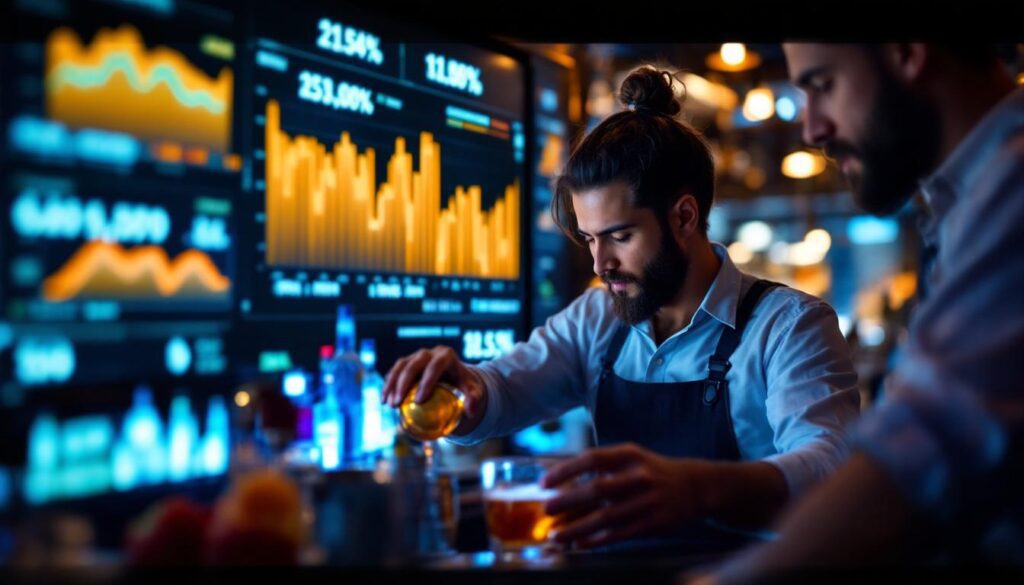
In a sector that employed 67,000 people in Puerto Rico in 2022, a 16.3% increase over the previous year, personnel management and customer experience are key aspects to sustain growth according to WIPR .
Average ticket price and number of customers
The average transaction value indicates how much each customer spends on average per visit. Increasing this value can be achieved through strategies such as promotions, upselling, or the introduction of innovative products like non-alcoholic cocktails or non-alcoholic beers, which respond to the trend toward a healthier lifestyle. according to Rockstar Data .
The number of daily customers is another vital indicator. A steady flow ensures stable revenue, but it’s also important to balance the capacity to maintain service quality and avoid overcrowding. Creating themed events or special nights can attract new customers and foster loyalty among regulars, turning a simple visit into a memorable experience.
Staff efficiency and service times.
Team performance directly impacts the customer experience. Measuring staff efficiency through indicators such as service speed and order accuracy helps identify areas for improvement. Furthermore, ongoing staff training in customer service skills and menu knowledge is essential for maintaining high quality standards.
The implementation of advanced technologies, such as artificial intelligence and augmented reality, is revolutionizing the way bars interact with their customers, accelerating processes and improving customer loyalty, according to Rockstar Data. . For example, online ordering systems and mobile apps allow customers to place advance orders, which not only reduces wait times but also gives bars the opportunity to better manage their inventory and forecast demand. Furthermore, the use of data analytics can help personalize the customer experience by suggesting products based on their previous preferences, thereby increasing the average check.
Satisfaction and loyalty indicators
Beyond the financial and operational figures, customer satisfaction is a fundamental pillar for long-term success. A satisfied customer not only returns but also recommends the bar to others. Customer experience becomes a differentiating factor in a sector where competition is fierce and every interaction counts. Therefore, it is crucial to understand customer expectations and desires in order to offer a service that not only meets but exceeds them.

Measuring and managing these indicators allows for the design of strategies that strengthen customer relationships and increase loyalty. Tools such as satisfaction surveys, behavioral analysis, and direct feedback are essential for gaining a clear understanding of how the service is perceived. Implementing these strategies not only helps identify areas for improvement but also allows businesses to anticipate customer needs, creating a continuous improvement cycle that benefits both the business and its customers.
Customer ratings and review management
Opinions on digital platforms significantly influence the decisions of new customers. Monitoring ratings and responding appropriately to both positive and negative reviews is essential for maintaining a good reputation. Interacting with customers on these platforms not only shows that the bar values their opinions but can also influence the perception of other potential customers considering visiting the establishment. A transparent and responsive approach can make the difference between a customer who becomes a brand ambassador and one who leaves due to a bad experience.
Proactively managing your online presence can turn criticism into opportunities for improvement and demonstrate a commitment to quality and service. Furthermore, by sharing stories of satisfied customers and highlighting positive reviews on social media, you can build a narrative that resonates with your audience and attracts new visitors. Reviews are not just an evaluation tool, but also a form of marketing that, if used correctly, can amplify a bar’s reach and visibility in a saturated market.
Return rate and effectiveness of loyalty programs
The return rate measures what percentage of customers return to the bar within a given period. A high percentage indicates that the business is successfully connecting with its audience. This metric not only reflects customer satisfaction but can also be an indicator of the effectiveness of promotions and special events. Identifying patterns in the return rate can provide valuable insights into which menu items or what kind of atmosphere entice customers to return.
Loyalty programs, when well-designed, incentivize repeat business. Offering exclusive benefits, discounts, or personalized experiences helps build a loyal customer base, which is key to sustaining growth in a competitive market. Furthermore, implementing technology, such as mobile apps for tracking loyalty points, can facilitate customer engagement and make the process more appealing. Customers who feel they receive added value are more likely to become brand advocates, recommending the bar to friends and family, which in turn can generate a positive network effect for the business.
Maximize Your Bar's Performance with Rockstar Data
Ready to take your bar’s performance to the next level? At Rockstar Data, we specialize in leveraging the power of data analytics and artificial intelligence to provide you with actionable insights that can transform your business. Our solutions are tailored to help you monitor key performance indicators, optimize operations, and enhance customer satisfaction. Don’t just run your bar—let Rockstar Data help you make strategic decisions that propel you ahead of the competition Explore Our Solutions today and unlock the full potential of your data.