Analytics for Restaurants: How to Avoid Losses and Increase Margin
Discover how restaurant analytics can help you avoid losses and increase your profit margin.
In a sector as competitive as the restaurant industry, the implementation of advanced analytics has become an indispensable tool for optimizing profitability and minimizing losses. Thanks to data analysis, restaurants can identify consumption patterns, control costs, and design effective strategies that increase their profit margins. This approach not only improves decision-making but also allows them to anticipate trends and adapt their offerings to customers’ real needs.
The use of technologies such as artificial intelligence and digital platforms is revolutionizing the management of food establishments, facilitating the digitization of processes and the automation of tasks. According to an article in
Restaurant Analytics Fundamentals
Restaurant analytics is based on the systematic collection and analysis of data relevant to the operation and management of the business. This data can come from various sources, such as sales, inventory, customer behavior, and daily operations. The goal is to transform this information into actionable insights that improve efficiency and profitability. With the rise of technology, restaurants now have access to an unprecedented amount of data, enabling them to make more informed and strategic decisions. From tracking customer preferences to identifying emerging industry trends, analytics has become an indispensable tool for restaurant owners.
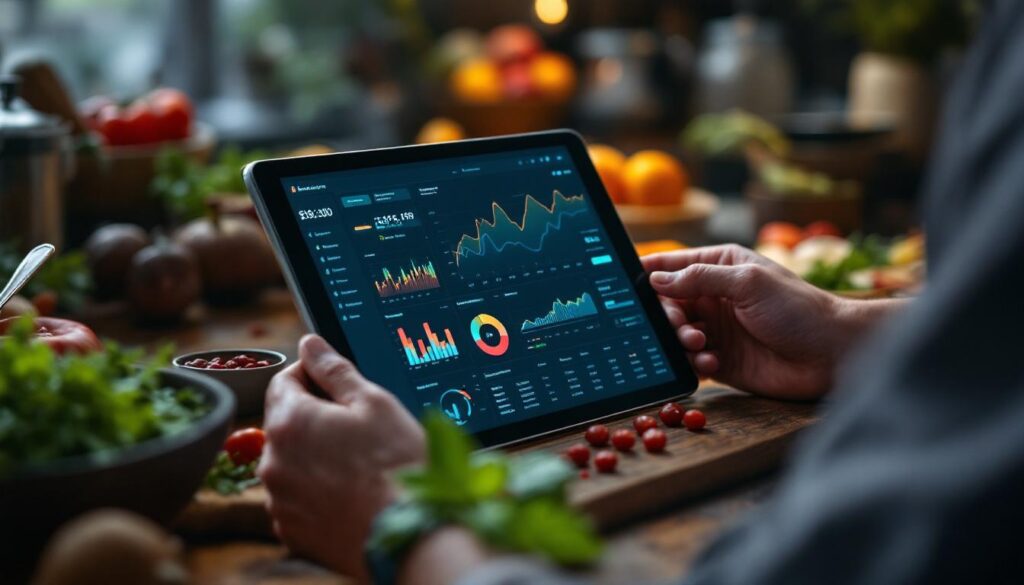
In this context, revenue management plays a fundamental role. This discipline uses analytical tools to predict consumer behavior and adjust prices, promotions, and availability in real time, thereby maximizing revenue. The importance of this approach lies in its ability to anticipate demand and optimize supply, avoiding losses due to excess or shortage of stock, and improving the customer experience (Wikipedia – Revenue Management). For example, a restaurant that implements an online reservation system can adjust its capacity and staffing based on expected demand, which not only improves operational efficiency but also ensures a smoother and more satisfying customer experience.
Digital campaign optimization
To evaluate a restaurant’s performance, it’s crucial to define and monitor key performance indicators (KPIs) that reflect the business’s financial and operational health. Among the most important KPIs are net profit margin, table turnover, cost of food and beverages, and average check per customer. These KPIs not only help owners understand how their business is performing but can also be used to set clear goals and objectives for the future.
The average net profit margin in restaurants is 9.28%, a figure that surpasses sectors such as car dealerships and advertising, which demonstrates the profitability potential of the sector when resources are managed correctly (New York University Study). Furthermore, table turnover is a critical indicator for maximizing revenue, as higher turnover means more customers served in the same period. Implementing checkout payment strategies, for example, can accelerate this process and improve overall profitability (HuffPost Spain). Likewise, analyzing the average ticket per customer can reveal opportunities to increase sales, such as introducing tasting menus or promotions that encourage customers to spend more during their visit.
Technological tools for data collection
Digitizing processes through technological tools is key to obtaining accurate, real-time data. Point-of-sale (POS) systems, inventory management software, and data analytics platforms allow for centralized information and easier interpretation. These tools not only help managers monitor sales and inventory, but also enable deeper analysis of customer behavior and market trends.
Furthermore, artificial intelligence is gaining ground in the sector, enabling automation of the collection and analysis of large volumes of data, detecting consumption patterns, and predicting future behaviors. These technologies not only reduce human error but also provide strategic recommendations based on concrete data (La Barra Magazine). For example, some AI systems can suggest menu adjustments based on the popularity of certain dishes, helping restaurants optimize their offerings and minimize food waste. As technology advances, restaurants’ ability to use data effectively will continue to evolve, enabling more agile and informed decision-making.
Strategies to reduce operating losses
Reducing operating losses is fundamental to improving a restaurant’s profitability. Through a detailed analysis of internal processes, it’s possible to identify areas of waste and optimize resources, directly impacting costs and business efficiency. Implementing these strategies not only helps maximize profits but also fosters a culture of sustainability within the establishment, which can attract a more environmentally conscious clientele.
Inventory control and waste management
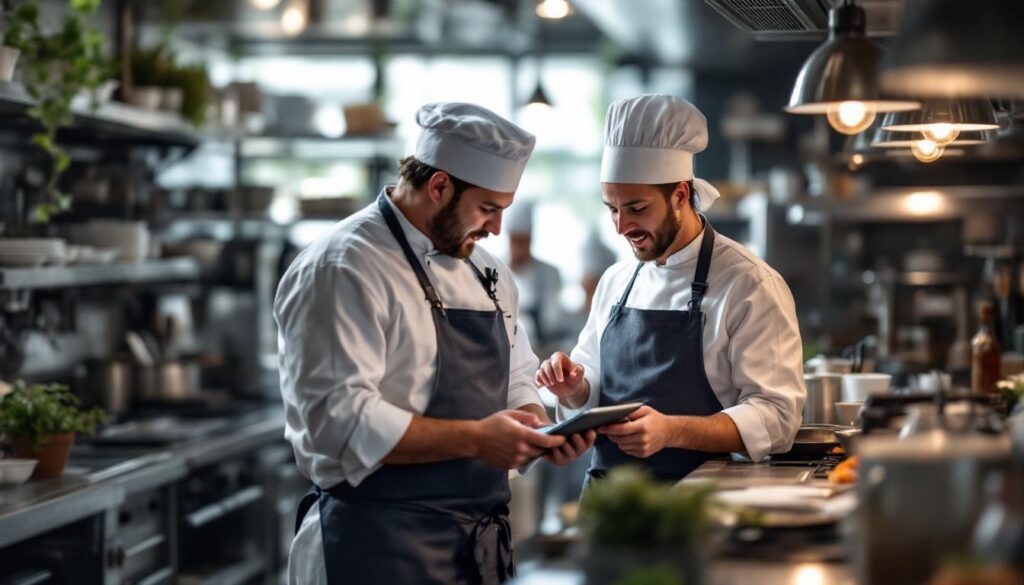
Strict inventory control is one of the most effective practices for avoiding losses. This involves not only recording inflows and outflows, but also forecasting demand to avoid excessive purchases that can lead to waste. Using inventory management software can facilitate this process, allowing real-time tracking and generating reports that help you make informed decisions.
Waste management should be an ongoing process, supported by analyses that identify slow-moving or loss-making products. For example, alcohol, while the most profitable product in bars due to its high margins, requires careful control to prevent losses from theft or expiration (HuffPost Spain – Abraham Mateo). Implementing an inventory rotation system, such as the FIFO (First In, First Out) method, can help ensure that older products are used first, thus minimizing the risk of spoilage.
Optimization of personnel and shift costs
Staffing represents one of the most significant costs in operating a restaurant. Therefore, efficient shift planning and proper task allocation are essential to avoid unnecessary overtime and improve productivity. Furthermore, investing in staff training can result in more efficient service and greater customer satisfaction, which can ultimately translate into increased sales.
Data analysis can help identify peak times and adjust staffing accordingly, avoiding both overload and underutilization of equipment. This optimization contributes to reducing costs without sacrificing service quality. AI-based shift scheduling tools can predict traffic patterns, allowing managers to focus on other aspects of the business while ensuring there is always enough staff to serve customers efficiently. Additionally, fostering a positive and motivating work environment can reduce staff turnover, which also contributes to operational stability and reduces costs associated with hiring and training new employees.
Tactics to increase profit margin
Increasing profit margins requires a combination of strategies that address both cost structure and revenue maximization. Menu engineering and customer-centric data analytics are powerful tools for achieving this goal.
Menu engineering and strategic pricing
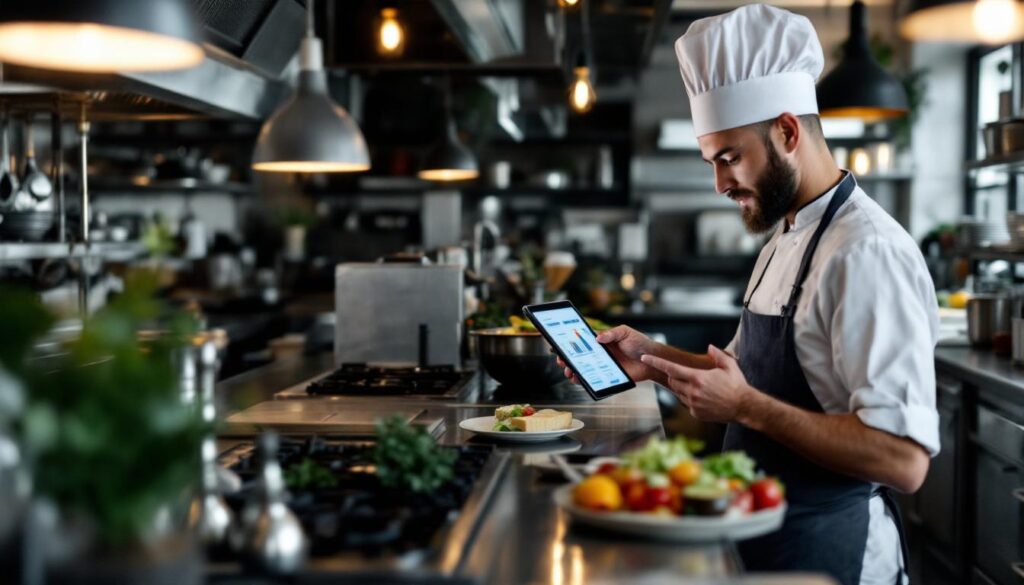
Menu engineering involves analyzing the profitability and popularity of each dish to design a menu that maximizes profits. This involves identifying star products, those that generate the highest margins, and promoting them appropriately. Furthermore, it’s crucial to consider the presentation and description of dishes, as an engaging narrative can influence customer decisions and increase the perception of value.
Strategic pricing should consider not only direct costs but also consumer behavior and competition. Applying revenue management techniques allows prices to be dynamically adjusted based on demand, thereby increasing revenue without losing customers (Wikipedia – Revenue Management). Furthermore, implementing psychological pricing, such as using prices ending in .99, can influence the perception of value and attract more customers, resulting in higher sales volume.
Data analysis to improve customer experience
Data analysis not only helps optimize costs but is also fundamental to improving the customer experience. By identifying consumption patterns and preferences, restaurants can personalize their offerings and services, increasing satisfaction and loyalty. This approach isn’t limited to menus; it can also encompass aspects such as the restaurant’s ambiance and staff training, ensuring that every customer interaction is memorable.
For example, analyzing order trends and service times allows you to adjust operations to reduce wait times and improve service. Additionally, implementing digital platforms can facilitate customer interaction and offer personalized promotions, increasing sales and profit margins
Transform your restaurant with Rockstar Data
Ready to boost your restaurant’s profitability? At Rockstar Data, we specialize in harnessing the power of data analytics and artificial intelligence to optimize your operations and improve the customer experience. Our tailored solutions are designed to deliver actionable insights that can significantly increase your margins and reduce losses. Don’t let the digital age leave you behind: Explore our solutions today and become a leader in the competitive restaurant industry.