Understanding CRM in the Restaurant Industry
In today’s competitive restaurant landscape, understanding and nurturing customer relationships is more critical than ever. Customer Relationship Management (CRM) systems have emerged as powerful tools that enable restaurants to streamline operations, enhance customer experiences, and ultimately drive revenue growth. According to WifiTalents, companies that implement CRM systems see an average increase of 29% in sales revenue, underscoring the tangible benefits of adopting these technologies.
As the global CRM market continues to expand—projected to grow by 12% annually and reach $129 billion by 2028—restaurants are uniquely positioned to leverage CRM tools tailored to their specific needs. This article explores the importance of CRM in the restaurant industry, its benefits, and practical steps for integration, supported by expert insights and recent industry data.
What is a CRM and Why is it Important for Restaurants?
At its core, a Customer Relationship Management (CRM) system is a software solution designed to manage a business’s interactions with current and potential customers. For restaurants, this means collecting and analyzing data related to customer preferences, behaviors, and feedback to create more personalized and efficient service experiences. By leveraging this data, restaurants can enhance their understanding of customer needs, leading to improved menu offerings and service styles that resonate with their clientele.

Unlike generic CRM platforms, restaurant-specific CRMs often integrate with point-of-sale (POS) systems, inventory management, and marketing tools, creating a seamless ecosystem that supports operational efficiency. Aaron Abramoff, CFO of The Restaurant People, emphasizes that integrating CRM systems with existing platforms is essential for maximizing their impact and ensuring success in the hospitality sector. This integration not only streamlines operations but also provides a comprehensive view of customer interactions, allowing for more strategic decision-making.
Moreover, CRM systems empower restaurants to be both instinct-led and data-informed. Dave Harris, CTO of Cooper’s Hawk Winery & Restaurants, highlights how CRM data can validate business instincts, allowing managers to make smarter, evidence-based decisions that resonate with their clientele. This dual approach fosters a culture of continuous improvement, where data-driven insights can lead to innovative service offerings and menu changes that keep customers engaged and excited about their dining experiences.
Specific Benefits of CRM for Customer Management in Hospitality
CRM systems offer a variety of benefits tailored specifically to the hospitality industry. They enable restaurants to track customer preferences—such as favorite dishes, dietary restrictions, and visit frequency—allowing staff to deliver personalized service that enhances guest satisfaction. For instance, if a customer frequently orders vegan dishes, staff can proactively recommend new vegan options or highlight special promotions related to plant-based meals, making the dining experience feel uniquely tailored.
Additionally, CRM platforms facilitate targeted marketing campaigns by segmenting customers based on behavior and demographics. This segmentation helps restaurants send timely promotions, event invitations, or special offers that are more likely to convert into sales. By analyzing customer data, restaurants can also identify trends, such as peak dining times or popular menu items, which can inform staffing decisions and inventory management, ultimately leading to better service and reduced waste.
Another key advantage is the ability to collect and analyze customer feedback systematically. This insight helps restaurants identify areas for improvement and adapt quickly to changing guest expectations, a capability that proved invaluable during the COVID-19 pandemic when consumer behavior shifted dramatically. By actively soliciting feedback through surveys or follow-up emails, restaurants can not only address concerns but also demonstrate their commitment to customer satisfaction, fostering loyalty even in challenging times.
Customer Loyalty Strategies with CRM for Restaurants
Building and maintaining customer loyalty is a cornerstone of restaurant success. CRM systems enable restaurants to develop loyalty programs that reward repeat customers, encouraging them to return more frequently. By tracking purchase history and preferences, restaurants can tailor rewards that feel genuinely valuable to each customer. For example, a restaurant might offer a free dessert after a certain number of visits or provide exclusive access to special events for loyal patrons, creating a sense of community and belonging.
Moreover, CRM data can identify high-value customers and VIPs, allowing restaurants to offer exclusive experiences or personalized communications that deepen emotional connections. These strategies not only increase customer retention but also enhance word-of-mouth referrals, which are critical in the hospitality industry. By recognizing and celebrating milestones such as birthdays or anniversaries with personalized messages or special offers, restaurants can make customers feel valued and appreciated, further solidifying their loyalty and encouraging them to share their positive experiences with others.
Loyalty Programs and Personalized Rewards
Loyalty programs powered by CRM systems have evolved beyond simple punch cards or points accumulation. Today’s technology allows for sophisticated, personalized reward structures that align with individual customer preferences and behaviors. This shift has been driven by the need for businesses to differentiate themselves in a competitive market, where customer retention is paramount.
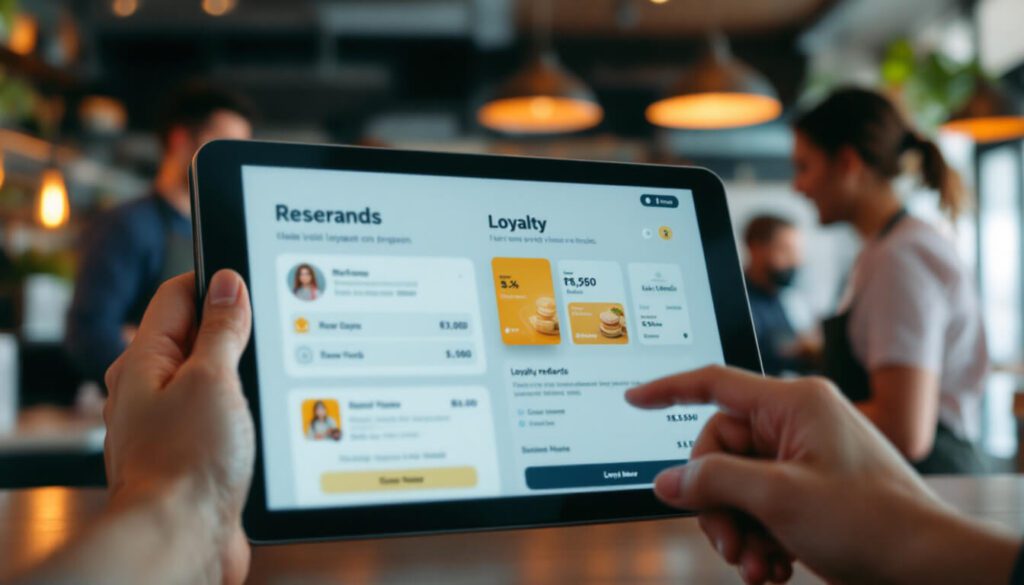
Restaurants can use CRM data to offer customized discounts, birthday perks, or early access to new menu items, making customers feel recognized and appreciated. Such personalization fosters a sense of belonging and encourages ongoing engagement. For instance, a diner who frequently orders vegetarian dishes might receive exclusive offers on new plant-based menu items, reinforcing their loyalty while also enhancing their dining experience.
Research indicates that the Restaurant CRM market is expected to grow at a compound annual growth rate (CAGR) of over 15%, driven largely by the rising demand for data-driven decision-making processes that enhance loyalty and customer satisfaction. As more establishments adopt these advanced systems, the expectation for personalized service will only increase, making it essential for restaurants to stay ahead of the curve.
Effective loyalty programs also rely on clear and consistent communication. CRM platforms enable restaurants to send targeted messages through multiple channels—email, SMS, or mobile apps—ensuring that customers receive timely updates about their rewards and upcoming promotions. This multi-channel approach not only broadens the reach but also caters to the diverse preferences of customers, ensuring that no one feels left out.
Effective Communication with Customers Through CRM
Communication is the lifeblood of any successful loyalty program. CRM systems provide tools to automate and personalize communications, making interactions feel more genuine and less intrusive. For instance, automated birthday greetings or reminders about unused rewards can significantly improve customer engagement. These small gestures can create a lasting impression, encouraging customers to return and share their positive experiences with friends and family.
Additionally, mobile CRM platforms have become increasingly important. According to CRM.org, 70% of businesses use mobile CRM systems to enhance their sales strategies, with those leveraging mobile CRM platforms being 150% more likely to exceed their sales goals. For restaurants, this means the ability to connect with customers on the devices they use most, delivering personalized experiences in real time. Imagine a customer receiving a notification about a flash sale on their favorite dish while they are nearby; this immediacy can drive foot traffic and spur spontaneous visits.
Implementing and Measuring CRM Success
Successful CRM implementation requires careful planning and ongoing evaluation. Restaurants should begin by defining clear objectives—whether increasing repeat visits, boosting average check size, or improving customer satisfaction scores. Establishing these goals will provide a roadmap for measuring success and making informed adjustments along the way.
Once the CRM system is in place, it’s crucial to monitor key performance indicators (KPIs) such as customer retention rates, redemption rates of loyalty rewards, and the impact of targeted marketing campaigns. These metrics help restaurants understand the effectiveness of their CRM strategies and identify areas for refinement. For example, if a particular promotion yields low engagement, it may be time to revisit the offer’s appeal or the method of communication used to promote it.
Moreover, integrating CRM data with other business intelligence tools can provide a holistic view of restaurant performance, enabling data-driven decisions that align with broader business goals. By analyzing customer feedback alongside sales data, restaurants can uncover trends and preferences that inform menu development, staffing needs, and marketing strategies, ultimately creating a more tailored and enjoyable experience for their patrons.
Steps to Integrate a CRM into Your Restaurant
Integrating a CRM system into a restaurant’s operations involves several strategic steps. First, it’s essential to choose a CRM platform that aligns with the restaurant’s size, customer base, and specific needs. Considerations include ease of integration with existing POS and inventory systems, user-friendliness, and scalability. A well-chosen CRM can not only streamline operations but also enhance customer engagement by providing insights into dining preferences and behaviors.
Next, staff training is critical to ensure that team members understand how to use the CRM effectively. This includes entering accurate customer data, leveraging CRM insights to personalize service, and utilizing communication tools to engage guests. Training sessions should be interactive and ongoing, allowing staff to become adept at using the system while also encouraging them to share their experiences and tips with one another. This collaborative approach fosters a culture of continuous learning and helps staff feel more comfortable with the technology.
Finally, restaurants should establish protocols for data privacy and security, maintaining customer trust while complying with relevant regulations. Implementing robust security measures, such as encryption and regular audits, is vital to protect sensitive customer information. Additionally, creating a transparent policy about how customer data is collected and used can further enhance trust and loyalty among patrons.
Key Metrics to Evaluate the Impact on Customer Loyalty
Evaluating the success of a CRM system requires tracking metrics that directly relate to customer loyalty. These include repeat visit frequency, average customer lifetime value, and the rate at which loyalty program members redeem rewards. By analyzing these metrics, restaurants can identify trends and patterns that inform marketing strategies and menu offerings, ensuring they meet the evolving preferences of their clientele.
Additionally, customer satisfaction scores and net promoter scores (NPS) provide qualitative insights into how well the restaurant meets guest expectations. Monitoring these metrics over time helps restaurants adjust their CRM strategies to maximize loyalty and profitability. Engaging with customers through surveys or feedback forms can also yield valuable insights that inform service improvements and menu adjustments, creating an environment where guests feel heard and valued.
Incorporating feedback loops within the CRM system allows for continuous improvement, ensuring that loyalty initiatives remain relevant and effective in a dynamic market. This iterative process not only enhances customer experiences but also empowers restaurant management to make data-driven decisions that align with customer desires and industry trends.
Case Studies: Restaurants That Excel at Customer Relationship Management
Several restaurants have demonstrated exemplary use of CRM systems to enhance customer relationships and business outcomes. For example, Cooper’s Hawk Winery & Restaurants utilizes CRM data to complement their instinct-driven approach, enabling personalized experiences that resonate deeply with guests. By analyzing customer preferences and dining history, they can tailor recommendations and promotions that feel unique to each diner, fostering a sense of belonging.
Another innovative example is the “Rendezfood” design case study, which highlights the potential of combining location-based systems with conversational agents to elevate the dining experience. This approach not only streamlines ordering and service but also fosters meaningful interactions that build loyalty. By leveraging technology to create a seamless connection between guests and staff, restaurants can enhance the overall dining experience, making it more enjoyable and memorable.
These cases illustrate how thoughtful CRM integration—supported by emerging technologies and data analytics—can transform restaurant operations and customer engagement. Furthermore, the ability to analyze customer data in real-time allows restaurants to quickly adapt to changing preferences and market conditions, ensuring they remain competitive and relevant in a crowded industry. For more insights into how CRM is shaping the restaurant industry, the Hospitality Technology platform offers valuable perspectives from industry leaders.
Take Your Restaurant's CRM to the Next Level with Rockstar Data
Ready to elevate your restaurant’s customer relationship management and unlock new levels of customer engagement and satisfaction? At Rockstar Data, we specialize in leveraging the latest in data analytics and artificial intelligence to provide you with actionable insights and innovative solutions. Don’t let your competition get ahead—Explore Our Solutions today and discover how we can help you transform your restaurant’s CRM strategy and drive your business forward.