
7 Benefits of a Digital Worker for Your Bar or Restaurant
In today’s fast-paced gastronomy industry, embracing digital transformation is no longer optional but essential. Bars and restaurants are increasingly turning to digital workers—automated systems and AI-driven tools—to streamline operations, enhance customer experiences, and stay competitive. According to ZipDo Education Reports 2025, 70% of restaurant operators believe digital transformation supports remote work effectiveness, highlighting the growing importance of technology in managing modern hospitality businesses.
From contactless payments to AI-powered inventory management, digital workers are revolutionizing how bars and restaurants operate. This article explores seven key benefits of integrating digital workers into your establishment, helping you understand why investing in these technologies is a smart move for the future.
Digital Transformation in the Gastronomy Industry
The Evolution of Technology in Bars and Restaurants
The hospitality sector has witnessed significant technological advancements over the past decade. Initially, digital tools focused on basic online ordering and reservation systems. However, the evolution has accelerated, with many establishments now adopting comprehensive digital ecosystems. These include mobile apps for ordering, digital loyalty programs, AI-driven analytics, and contactless payment systems.
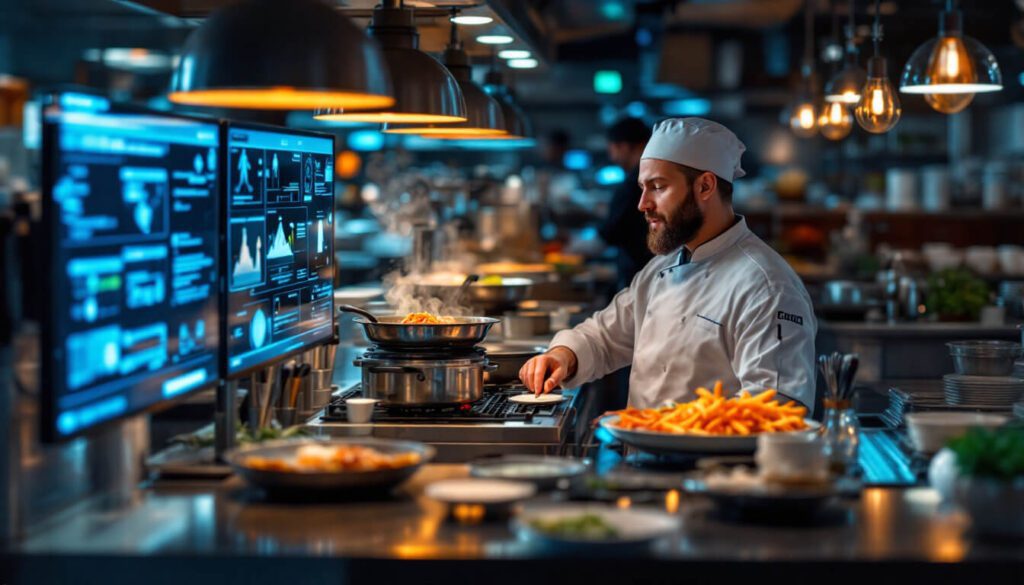
Recent data shows that 70% of restaurant chains have added digital ordering options in the past two years, a clear indication of how widespread these technologies have become, ZipDo Education Reports 2025. This shift is fueled by consumer preferences, with 55% of customers now favoring mobile app orders over traditional phone calls or in-person visits WifiTalents Reports 2025. The integration of social media platforms has also played a pivotal role in this transformation, enabling restaurants to engage with customers directly and build a loyal community around their brand. By leveraging platforms like Instagram and TikTok, establishments can showcase their culinary creations, promote special events, and even gather real-time feedback from patrons, creating a dynamic and interactive dining experience.
Understanding Digital Workers and How They Operate
Digital workers refer to software solutions and AI systems designed to automate routine tasks and augment human capabilities. In bars and restaurants, these can range from chatbots handling customer inquiries to AI algorithms forecasting demand and optimizing inventory. Unlike traditional automation, digital workers continuously learn and adapt, improving their performance over time.
For example, 44% of restaurant operators now use AI to forecast demand and optimize inventory, reducing waste and ensuring popular items are always available. By integrating these digital workers, establishments can maintain smoother operations and deliver better service without increasing staff workload. Additionally, the use of AI-driven customer relationship management (CRM) systems allows restaurants to analyze customer preferences and tailor marketing efforts accordingly.
This personalization not only enhances the dining experience but also drives repeat business, as customers feel more connected to a brand that understands their tastes and preferences. Moreover, as these technologies evolve, we can expect to see even more innovative applications, such as virtual reality dining experiences that transport customers to exotic locations while they enjoy their meals, further blurring the lines between technology and gastronomy.
Operational and Economic Benefits
Reducing Costs and Optimizing Resources
One of the most significant advantages of digital workers is their ability to reduce operational costs. Automation of repetitive tasks such as order processing, inventory tracking, and payroll management minimizes human error and frees up staff to focus on customer-facing activities. This leads to better resource allocation and cost savings.

Moreover, 80% of restaurant operators plan to increase investment in digital infrastructure within the next year, underscoring the recognition of these economic benefits. Digital workers help optimize inventory by accurately forecasting demand, which reduces food waste and improves profitability. By leveraging data analytics, restaurants can make informed decisions about menu offerings and pricing strategies, aligning them more closely with customer preferences and seasonal trends. This proactive approach not only enhances the dining experience but also contributes to a more sustainable operation by minimizing excess inventory and spoilage.
Enhancing Efficiency and Service Speed
Efficiency is critical in the hospitality industry, where timely service can make or break customer satisfaction. Digital workers enable faster order processing through mobile apps and self-service kiosks, reducing wait times and streamlining kitchen workflows. Contactless payment systems, now implemented by 68% of restaurant operators, further accelerate transactions and improve hygiene standards.
Additionally, 55% of restaurant managers report that digital transformation has improved operational efficiency, highlighting the tangible impact of these technologies on day-to-day performance. Faster service not only improves customer satisfaction but also increases table turnover, boosting revenue potential. Furthermore, the integration of digital tools allows for real-time monitoring of service metrics, enabling managers to identify bottlenecks and implement corrective measures swiftly. This level of agility ensures that restaurants can adapt to fluctuating customer demands and maintain high service standards, ultimately fostering customer loyalty and repeat business.
Competitive Advantages and Improving Customer Experience
Personalization and Elevating the User Experience
Digital workers enable bars and restaurants to offer personalized experiences that foster customer loyalty. Through digital loyalty programs, which 65% of consumers now expect, establishments can reward repeat customers with tailored promotions and incentives (WifiTalents Reports 2025). This personalization extends to customized menu suggestions based on past orders and preferences, enhancing the overall dining experience. For instance, if a customer frequently orders vegan dishes, the system can highlight new vegan options or special promotions on plant-based meals, making them feel valued and understood.

With 55% of consumers acknowledging that their ordering experience has improved thanks to digital innovations, it’s clear that these tools are reshaping customer expectations, ZipDo Education Reports 2025. Providing seamless, intuitive digital interactions can differentiate your establishment in a crowded market. Additionally, integrating feedback mechanisms into the digital experience allows customers to share their thoughts in real-time, which not only enhances engagement but also provides valuable insights for continuous improvement. The ability to respond to feedback promptly can further solidify customer loyalty and enhance the overall reputation of the establishment.
Leveraging Data Analysis for Strategic Decisions
Beyond operational improvements, digital workers provide valuable insights through data analysis. By tracking customer behavior, sales trends, and inventory levels, managers can make informed strategic decisions that drive growth. For example, AI-driven analytics can identify peak hours, popular menu items, and customer demographics, enabling targeted marketing and optimized staffing. This level of insight allows restaurants to create dynamic pricing strategies, adjusting menu prices based on demand fluctuations or even offering flash sales during slower periods to boost traffic.
As 50% of restaurant chains plan to upgrade their digital infrastructure in the coming year, investing in data capabilities is becoming a priority. Harnessing this data empowers restaurants to adapt quickly to market changes and customer demands, maintaining a competitive edge. Moreover, predictive analytics can forecast future trends, allowing establishments to stay ahead of the curve by anticipating customer preferences and adjusting their offerings accordingly. This proactive approach not only enhances customer satisfaction but also positions restaurants as leaders in innovation within the industry.
Transform Your Establishment with RockStar Data
Ready to take your bar or restaurant to the next level? At RockStar Data, we specialize in leveraging the power of data analytics and artificial intelligence to revolutionize your operations. Our solutions are tailored to enhance efficiency, personalize customer experiences, and provide strategic insights that drive growth. Don’t get left behind in the digital transformation of the gastronomy industry. Explore Our Solutions today and become a true industry innovator with RockStar Data by your side.