How a WhatsApp Conversational Agent Can Increase Your Profits
In today’s fast-paced digital marketplace, businesses are continuously seeking innovative ways to enhance customer engagement and streamline communication. One of the most powerful tools gaining momentum is the WhatsApp conversational agent—an AI-powered chatbot integrated within the WhatsApp platform. This technology is transforming how companies interact with customers, providing instant responses, personalized experiences, and ultimately driving higher profits.
With WhatsApp messages surging by 421% in the Asia Pacific region alone in 2023, it’s clear that consumers prefer conversational communication over traditional channels. 70% of businesses leveraging WhatsApp chatbots report improvements in customer satisfaction, highlighting the platform’s potential to revolutionize customer service and sales processes (Wapikit).
Fundamentals of WhatsApp Conversational Agents
What Conversational Agents Are and How They Work
Conversational agents, commonly known as chatbots, are AI-driven programs designed to simulate human-like conversations with users. When integrated into WhatsApp, these agents can handle a variety of tasks such as answering FAQs, guiding users through purchase processes, scheduling appointments, and providing personalized recommendations.
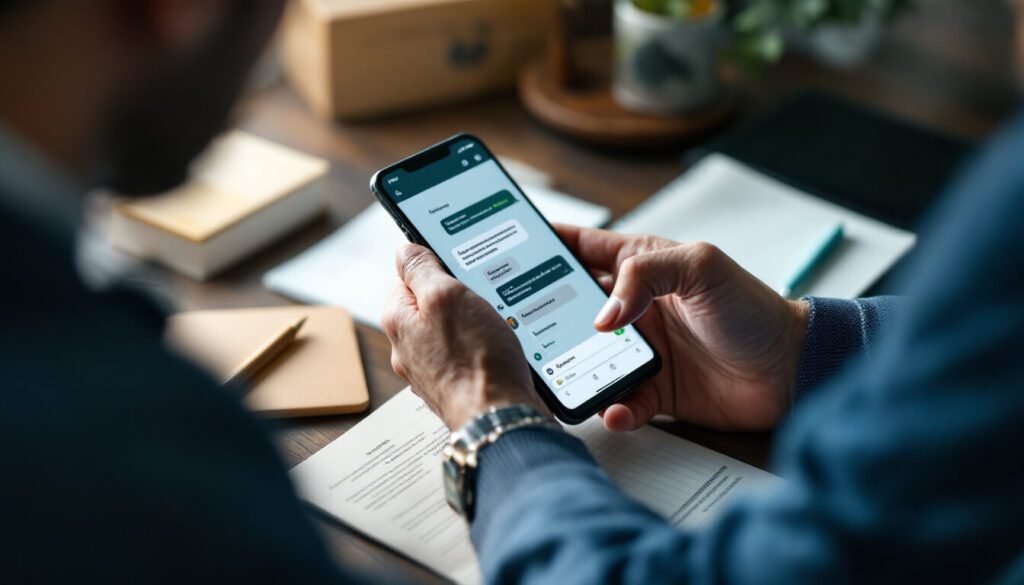
The technology behind these agents combines natural language processing (NLP) with machine learning algorithms, enabling them to understand user intent and respond appropriately. This means customers receive quick, accurate answers at any time of day, without the need for human intervention. The seamless integration within WhatsApp, a platform used by over two billion people globally, ensures that interactions happen in a familiar and trusted environment. Furthermore, the use of rich media capabilities, such as images, videos, and quick reply buttons, enhances the interaction, making it more engaging and informative. This rich media integration allows businesses to convey complex information in a digestible format, improving user satisfaction and retention.
Strategies to Monetize Your Conversational Agent
Monetizing a WhatsApp conversational agent goes beyond simple customer support. Businesses can implement several strategies to directly increase revenue through these agents. For example, chatbots can automate sales by guiding customers through product catalogs, answering queries about features or availability, and facilitating smooth checkout processes.
Another effective approach is using the chatbot to reduce cart abandonment. Studies have shown that companies employing WhatsApp chatbots have experienced up to a 25% drop in cart abandonment rates, which translates directly into increased sales (Gallabox). By sending timely reminders or personalized messages to users who have left items in their carts, businesses can effectively nudge them back towards completing their purchases. This proactive engagement not only helps recover potentially lost sales but also fosters a sense of customer care, enhancing brand loyalty.
Moreover, conversational agents can be used to promote personalized upselling and cross-selling opportunities by analyzing customer preferences and purchase history. This targeted approach not only enhances the customer experience but also boosts average order value and customer lifetime value. By leveraging data analytics, businesses can tailor their recommendations to align with individual customer interests, making the shopping experience feel more curated and personal. Additionally, integrating loyalty programs within the chatbot can incentivize repeat purchases, allowing customers to earn rewards seamlessly while interacting with the agent.
Benefits of Implementing WhatsApp as a Business Communication Channel
Sales Automation and Purchase Process Optimization
WhatsApp conversational agents excel at automating sales processes, freeing up valuable time for sales teams while ensuring customers receive immediate assistance. Automation reduces the need for manual follow-ups and streamlines the entire purchase journey, from initial inquiry to final payment confirmation.

One of the most significant advantages is the reduction in response times. Companies using WhatsApp chatbots have reported up to a 35% decrease in customer response times, which leads to faster decision-making and higher conversion rates (Wapikit).
Additionally, the ability to handle multiple customer interactions simultaneously ensures no lead is lost due to delayed responses. This scalability is crucial for businesses experiencing rapid growth or seasonal spikes in demand. Furthermore, integrating WhatsApp with existing CRM systems can provide sales teams with valuable insights into customer behavior, allowing for more informed decision-making and targeted marketing strategies. The synergy between automation and data analytics can significantly enhance the effectiveness of sales campaigns.
Personalizing the Customer Experience to Boost Conversions
Personalization is a key driver of customer loyalty and sales. WhatsApp conversational agents can tailor interactions based on user data, preferences, and past interactions, making customers feel valued and understood. This level of personalization helps build trust and encourages repeat business.
Interestingly, over 85% of WhatsApp users prefer engaging with businesses through in-app conversations rather than traditional advertisements, underscoring the importance of conversational marketing (Gallabox).
By delivering timely, relevant messages and offers through WhatsApp, companies can nurture leads more effectively and guide prospects smoothly through the sales funnel. This approach not only increases conversion rates but also enhances overall customer satisfaction. Moreover, businesses can utilize customer feedback collected through WhatsApp to refine their offerings and improve service quality. Engaging customers in this manner not only fosters a sense of community but also empowers them to share their experiences, further amplifying brand loyalty and advocacy.
Implementation and Results Measurement
Steps to Integrate a Conversational Agent into Your WhatsApp Strategy
Integrating a conversational agent into your WhatsApp business strategy involves several essential steps. First, businesses must identify their primary goals—whether it’s improving customer support, increasing sales, or both. Understanding the target audience and their common inquiries helps shape the chatbot’s design and functionality. This initial phase is crucial, as it sets the foundation for how the bot will interact with users and the kind of experience it will provide. Conducting surveys or analyzing past customer interactions can yield valuable insights into the most frequent questions and pain points, allowing for a more targeted approach.

Next, selecting the right technology platform is critical. Many providers offer customizable WhatsApp chatbot solutions that can be tailored to specific industry needs. Integration with existing CRM and sales systems ensures data flows seamlessly, enabling personalized interactions and accurate tracking. Moreover, businesses should consider the scalability of the chosen platform; as customer interactions grow, the chatbot should be able to handle increased traffic without compromising performance. This foresight not only enhances user experience but also ensures that the investment remains viable in the long term.
Once implemented, thorough testing is necessary to refine chatbot responses and ensure smooth user experiences. Training the bot with real customer queries improves its ability to handle complex conversations. This iterative process often involves A/B testing different responses to determine which ones resonate best with users. Additionally, gathering feedback from early users can provide insights into areas for improvement. Finally, promoting the new communication channel to customers encourages adoption and maximizes the chatbot’s impact. Utilizing marketing campaigns, social media announcements, and even in-store promotions can help raise awareness and drive engagement.
Key Metrics to Evaluate the ROI of Your Conversational Agent
Measuring the success of a WhatsApp conversational agent requires tracking several key performance indicators (KPIs). Customer satisfaction scores provide insight into how well the bot meets user expectations. Given that 70% of businesses using WhatsApp chatbots report improvements in customer satisfaction, this metric is a strong indicator of value (Wapikit). Additionally, analyzing customer feedback and sentiment can help businesses understand the nuances behind these scores, allowing for further enhancements to the bot’s conversational abilities.
Response time metrics are equally important. Faster replies contribute to higher engagement and conversion rates, with many companies achieving up to a 35% reduction in response times through chatbots. This efficiency not only improves customer experience but also frees up human agents to focus on more complex inquiries, thereby optimizing overall operational efficiency. Furthermore, tracking peak usage times can help businesses anticipate demand and allocate resources accordingly, ensuring that customers receive timely assistance.
Other vital metrics include conversion rates, cart abandonment rates, and the volume of automated interactions handled. By analyzing these data points, businesses can quantify the time saved—expected to reach 2.6 billion hours globally by 2025 thanks to WhatsApp chatbots—and calculate the return on investment (AiSensy). Additionally, monitoring the number of successful transactions initiated through the chatbot can provide insights into its effectiveness as a sales tool. Continuous monitoring and optimization based on these metrics ensure the conversational agent remains effective and aligned with evolving business goals. Regularly revisiting these KPIs allows businesses to adapt their strategies, ensuring sustained growth and customer engagement over time.
Take Your Business to the Next Level with Rockstar Data
Ready to amplify your profits and elevate your customer engagement with the power of a WhatsApp conversational agent? At Rockstar Data, we specialize in leveraging advanced data analytics and AI to refine your business strategies and enhance your digital interactions. Don’t miss the opportunity to outshine your competition. Explore Our Solutions today and discover how we can help you transform your customer conversations into lucrative opportunities.