
Digital Workers: The New Ally for Restaurant Management
In an era where technology is reshaping every facet of business, the restaurant industry stands at a pivotal crossroads. With evolving consumer expectations and operational challenges, digital workers—software-driven tools and automated systems—have emerged as indispensable allies for restaurant management. These innovations not only streamline daily operations but also enhance customer experiences, reduce costs, and empower staff to focus on what truly matters: delivering exceptional service.
The National Restaurant Association projects that between 2025 and 2035, the restaurant and foodservice industry will add approximately 150,000 jobs annually, culminating in a workforce of 17.4 million people. This surge underscores the urgency for efficient management solutions that can keep pace with growth. Leveraging technology is no longer optional but a strategic necessity, as more than 80 percent of restaurant operators acknowledge the competitive advantage it provides in hiring and retention. National Restaurant Association insights reveal how digital tools are transforming recruitment and workforce management, setting the stage for a new era in restaurant operations.
The Digital Revolution in the Restaurant Industry
The restaurant industry is undergoing a profound digital transformation, driven by the need to meet consumer demands for convenience, speed, and personalization. Digital workers—ranging from AI-powered chatbots to automated inventory systems—are becoming central to this evolution, enabling restaurants to operate more efficiently while enhancing the guest experience.
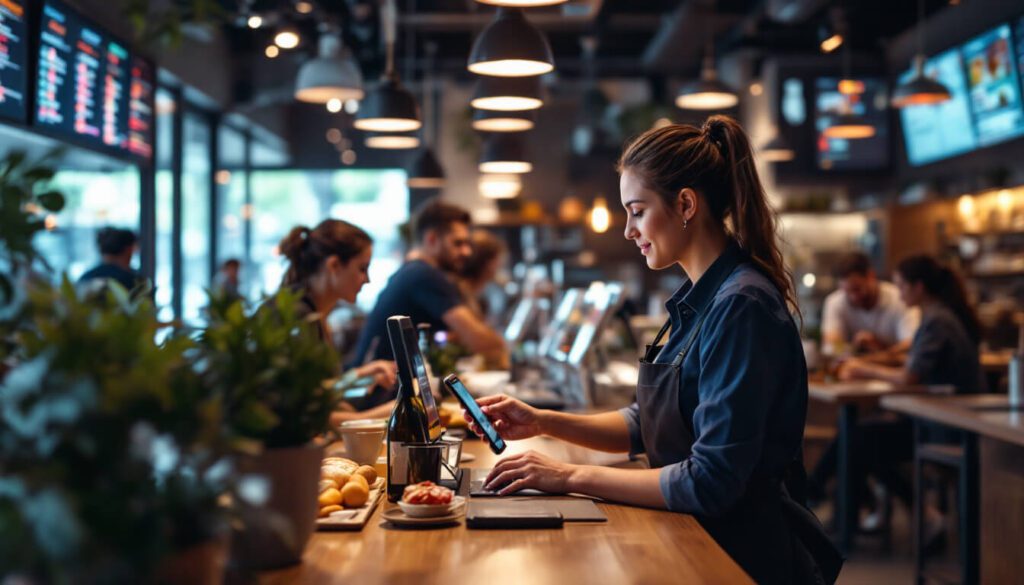
One of the most visible aspects of this revolution is the widespread adoption of digital ordering platforms. Recent data indicates that 70% of restaurant chains have integrated digital ordering options within the last two years, reflecting a rapid shift toward technology-enabled service models. This trend not only caters to consumer preferences but also streamlines order processing, reduces errors, and accelerates service delivery. The integration of mobile apps and online platforms allows customers to customize their orders, track delivery times, and even provide feedback in real time, creating a more engaging and interactive dining experience.
Moreover, the National Restaurant Association’s Workforce Technology Report highlights how technology is revolutionizing recruitment by shortening hiring times and allowing managers to devote more attention to operational excellence. This dual focus on customer-facing innovation and internal efficiency underscores the comprehensive impact of digital workers in the restaurant sector. With the aid of AI-driven recruitment tools, restaurants can now analyze candidate profiles more effectively, ensuring a better fit for their unique culture and operational needs.
The Evolution of Technology in the Gastronomic Sector
Technology in restaurants has evolved from simple point-of-sale systems to complex, integrated platforms that manage everything from customer interactions to supply chain logistics. Early innovations focused primarily on digitizing transactions, but today’s solutions encompass artificial intelligence, machine learning, and data analytics to optimize every aspect of the dining experience. These advancements allow for predictive analytics, enabling restaurants to anticipate customer preferences and adjust their menus accordingly, thereby enhancing customer satisfaction and loyalty.
For instance, algorithm-driven labor management is reshaping how restaurants schedule staff and allocate resources. A study analyzing online food deliverers in China revealed that algorithm-mediated labor significantly influences workers’ activities and relationships with stakeholders. This insight points to a broader trend where digital tools not only automate tasks but also redefine workforce dynamics. Furthermore, the use of data analytics can help identify peak hours and customer trends, allowing restaurants to optimize staffing levels and improve service efficiency during busy periods.
As restaurants continue to embrace these advancements, the role of digital workers is expanding beyond operational support to strategic partners that drive growth and innovation. The integration of customer relationship management (CRM) systems with social media platforms enables restaurants to engage with their patrons on a personal level, fostering a sense of community and enhancing brand loyalty.
Economic Benefits of Digitalization
Beyond operational improvements, digitalization offers tangible economic benefits that are reshaping the financial landscape of the restaurant industry. One notable advantage is cost savings associated with remote work policies, which 70% of restaurant owners report experiencing. This shift reduces overhead expenses and provides greater flexibility in workforce management. Additionally, the ability to analyze sales data in real-time allows restaurant owners to make informed decisions about menu pricing and inventory management, further enhancing profitability.
Additionally, automation of routine tasks reduces labor costs and minimizes human error, leading to increased profitability. Digital ordering and payment systems also accelerate turnover rates and boost sales by simplifying the ordering process for customers. The implementation of loyalty programs through digital platforms not only incentivizes repeat business but also provides valuable insights into customer behavior, allowing restaurants to tailor their offerings and marketing strategies more effectively.
These economic incentives are compelling restaurant operators to accelerate their digital transformation journeys, recognizing that technology investments yield significant returns in both efficiency and customer satisfaction. As the landscape continues to evolve, the ability to adapt and leverage technology will be crucial for restaurants aiming to thrive in an increasingly competitive market.
Implementing Digital Workers in Restaurants
Adopting digital workers involves integrating various technologies that automate and enhance core restaurant functions. Successful implementation requires a strategic approach that aligns with business goals and addresses specific operational challenges.
Order and Reservation Management Systems
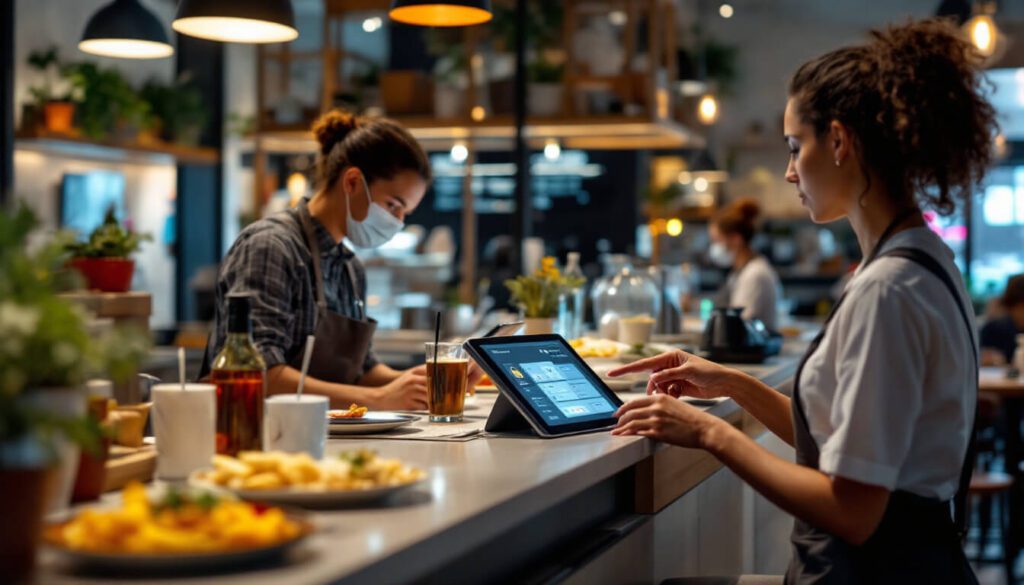
Order and reservation management systems are among the most impactful digital tools in modern restaurants. These platforms enable seamless coordination of customer orders, whether placed in-person, online, or via mobile apps. By automating order processing, restaurants reduce wait times and minimize errors, resulting in a smoother dining experience.
Reservation systems similarly improve customer flow management, allowing restaurants to optimize seating arrangements and reduce no-shows through automated reminders. Integration with digital payment solutions further enhances convenience for both guests and staff.
With 70% of restaurant chains adopting digital ordering options recently, these systems have become indispensable for staying competitive. They not only improve operational efficiency but also provide valuable data insights that inform marketing and menu strategies. Additionally, many of these systems come equipped with analytics tools that help restaurants track customer preferences and trends, enabling tailored promotions and personalized dining experiences that can significantly boost customer loyalty.
Automation of Administrative and Inventory Processes
Administrative tasks such as payroll, scheduling, and compliance reporting can be time-consuming and prone to error when handled manually. Digital workers automate these processes, freeing managers to focus on customer service and strategic initiatives.
Inventory management is another critical area benefiting from automation. Digital systems track stock levels in real-time, predict reorder needs, and reduce waste by optimizing supply chain operations. This level of precision helps control costs and ensures that kitchens are always stocked with necessary ingredients. Furthermore, advanced inventory systems can analyze usage patterns, allowing restaurants to adjust their purchasing strategies based on seasonal trends or special events, ultimately enhancing profitability.
By automating these back-of-house functions, restaurants enhance accuracy, reduce labor costs, and improve overall operational resilience. The integration of AI-driven forecasting tools can also assist in anticipating demand fluctuations, ensuring that restaurants are well-prepared for peak times without overstocking, which can lead to spoilage and increased expenses. This proactive approach not only streamlines operations but also supports sustainability efforts by minimizing food waste, a growing concern in the industry.
The Future of Restaurants with Digital Workers
The integration of digital workers is not a passing trend but a foundational shift that will define the future of the restaurant industry. As technology continues to advance, restaurants that embrace digital transformation will be better positioned to meet evolving consumer expectations and operational demands.
Artificial Intelligence Integration in the Customer Experience
Artificial intelligence (AI) is poised to revolutionize the customer experience by delivering personalized interactions and predictive service. AI-powered chatbots can handle inquiries and reservations 24/7, while machine learning algorithms analyze customer preferences to tailor menu recommendations and promotions.
Moreover, AI-driven analytics provide restaurants with actionable insights into customer behavior, enabling more effective marketing and loyalty programs. This level of personalization fosters stronger customer relationships and drives repeat business.
As digital workers become more sophisticated, AI will continue to enhance both front-of-house and back-of-house operations, creating a seamless and engaging dining experience. For instance, AI can assist in inventory management by predicting stock levels based on historical data and current trends, thus minimizing waste and ensuring that popular dishes are always available. Additionally, AI can optimize staffing schedules by analyzing peak hours and customer flow, ensuring that restaurants are adequately staffed during busy periods while reducing costs during slower times.
Challenges and Opportunities for Digital Adaptation
While the benefits of digital workers are clear, restaurants face challenges in adopting new technologies. These include the initial costs of implementation, staff training requirements, and the need to maintain data security and privacy.
However, these challenges also present opportunities for innovation and differentiation. Restaurants that successfully navigate digital adaptation can achieve greater operational agility, improved customer satisfaction, and stronger competitive positioning. For example, by leveraging digital platforms for online ordering and delivery, restaurants can expand their reach beyond traditional dining spaces, tapping into new revenue streams and catering to a growing demand for convenience.
Embracing digital workers is not merely about technology adoption but about transforming organizational culture to be more adaptive and customer-centric. As 82% of restaurants consider digital transformation a competitive necessity, the industry is collectively moving toward a future where technology and human expertise work hand in hand. This cultural shift also encourages continuous learning and development among staff, fostering an environment where employees are empowered to innovate and contribute to the restaurant’s evolving identity.
For more insights into how digital transformation is reshaping the restaurant industry, explore detailed statistics and trends provided by ZipDo Education Reports.
Transform Your Restaurant with RockStar Data
Ready to elevate your restaurant management to the next level? At RockStar Data, we specialize in leveraging the power of data analytics and artificial intelligence to revolutionize your operations. Our solutions are tailored to meet the unique challenges of the restaurant industry, providing you with the insights and tools needed to enhance customer satisfaction, streamline processes, and boost profitability. Don’t let the digital transformation pass you by. Explore Our Solutions today and become a true industry RockStar! To learn more about this topic, we invite you to visit Digital Workers: The Future is Here – How Conversational Agents Are Transforming the Restaurant Industry in Spain.